
Solar Energy Supplier: Solar-Storage-Charging System + Seamless Smart EMS Switching
By hqt
2026.05.21Related Posts
48V 6kW Off Grid Inverter: Why 48V Battery Systems Are Common for Higher-Power Solar Systems
August 31, 2026

Residential Solar System Installation: Technical Sizing, System Matching and Installation Guide
August 31, 2026

48 Volt Inverter for Solar Battery Storage: Key Specifications Buyers Should Compare
August 27, 2026
Why a Standard Solar Array No Longer Meets 2026 Demands
For commercial and industrial buyers, installing solar panels alone no longer solves the core problem: grid instability. A standard PV system shuts down during blackouts. It cannot shift energy to peak tariff hours. And it offers zero protection against voltage fluctuations that damage sensitive machinery.
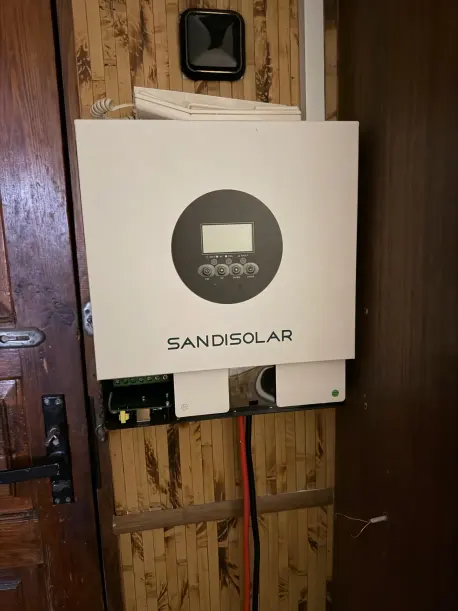
This is why procurement managers across Southeast Asia are re-evaluating what they expect from a Solar Energy Supplier. The minimum requirement has shifted from "delivering panels" to "delivering energy independence."
SANDISOLAR addresses this shift through a integrated approach: the Solar-Storage-Charging System paired with Seamless Smart EMS Switching. Rather than selling components separately, this system operates as a single, cohesive unit that manages generation, storage, and consumption in real time.
What The Solar-Storage-Charging System Actually Does
The concept is straightforward. When Solar Energy Suppliers that provide only PV modules leave the customer responsible to find batteries, inverters, and chargers from the suppliers that provided them, they incur a higher risk of incompatability, warranty concerns, and complex installation cost Variations.
SANDISOLAR combines three primary functions in a single system/module:
• Solar Generation: Own Ultra-efficient PV arrays meant to convert sunlight to DC.
• Energy Storage: 5-15kWh to 100kWh+ modular LiFePO4 banks for Daytime Solar to DC conversion in storage.
• EV Charging: Integrated DC fast chargersforthe fleet, designed to belocalor grid- diverted energy.
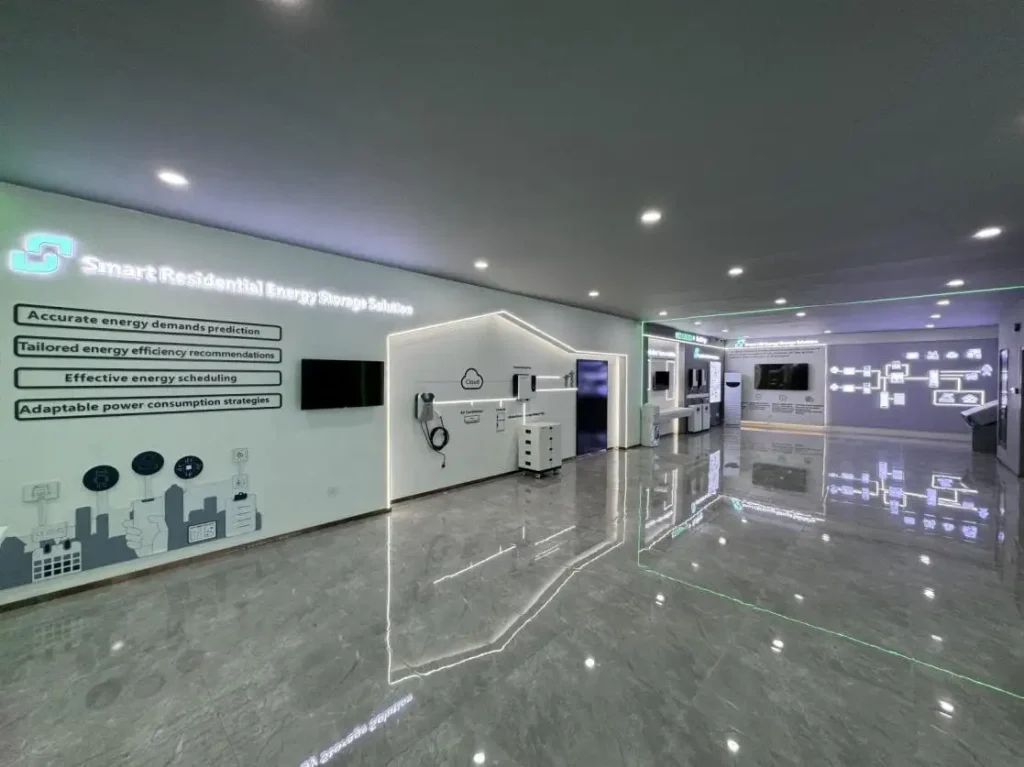
The integration makes the difference. Each component is designed to communicate with the others. No third-party adapters. No compatibility testing. The system works out of the box.
Seamless Smart EMS Switching: The Operational Backbone
An integrated system still requires intelligent control. This is where Smart EMS (Energy Management System) switching adds measurable value.
For any facility relying on solar, three operational challenges emerge daily:
• Sudden cloud cover reduces generation output instantly.
• Grid brownouts occur without warning in many regions.
• Peak demand charges spike during specific hours, often when solar generation is falling.
A capable Solar Energy Supplier provides an EMS that detects these events and switches power sources automatically. The transition happens in milliseconds. Production lines do not stutter. Sensitive equipment does not reset.
The EMS performs three primary switching actions:
• Grid-to-Battery: When tariffs exceed a preset threshold, the facility runs on stored energy.
• Solar-to-Grid: Investments in feed-in credits occurs when surplus power is exported after demand is met and batteries are charged.
• Battery-to-Load: Comprises the battery bank in order to maintain power to critical loads during a blackout.
Switching is fully automatic. Manual intervention is not necessary.
Real-World Application: Keeping A Factory Running
Take for example a manufacturing facility in Myanmar or Thailand. The local grid has a fault in voltage two times a week. Each is typically 2 - 5 seconds long. Each has the potential to reset a batch of CNC machines and ruin a batch of CNC.
With a standard solar-only system, the facility remains vulnerable. The inverter shuts off during a grid disturbance. The machines still stop.
With SANDISOLAR's Solar-Storage-Charging system and seamless EMS switching, the scenario changes:
• EMS monitors grid voltage continuously.
• Voltage sags below 190V.
• EMS switches facility load to battery bank within 8 milliseconds.
• Production continues without interruption.
• Grid stabilizes 4 seconds later.
• EMS switches back to grid automatically and begins recharging batteries.
• No lost production time. No damaged workpieces. No operator intervention.
Why This Matters for Procurement Decisions
When evaluating a Solar Energy Supplier, buyers typically compare three metrics: price per watt, warranty length, and efficiency ratings. These matter, but they miss the larger operational risk.
Downtime is expensive. A single hour of interrupted production in a mid-sized factory can cost 5,000 to 50,000 depending on the industry. A system that prevents even two interruptions per month pays for its incremental cost within one year.
The SANDISOLAR system provides the following clear, tangible advantages:
• Blackout protection: Critical loads remain powered regardless of the status of the grid.
• Tariff optimization: Batteries power sites during peak-hours. No expensive grid power is consumed.
• Grid independence: Sites may be self-sufficient for extended periods of time.
• Fleet readiness: Built in infrastructure provides electric-vehicle (EV) charging.
Positioning SANDISOLAR as a Solar Energy Provider
Operating from 2008, SANDISOLAR encompasses three R&D offices, owns and manages warehouses across Southeast Asia, totaling over 30,000 square meters. We own and operate three R&D offices across Southeast Asia and warehouses over 30,000 square meters. The company has over 1,000 licensed distributors and holds over 300 patents.
SANDISOLAR does not offer services focused solely on product sales, like most distributors do. Instead, we offer services that are more localized. Local warehouses mean that spare parts take days instead of weeks to arrive. Local technical teams speak the language and are familiar with regional grid conditions.
The company's Solar-Storage-Charging system is already operational in residential and commercial as well as industrial markets in Myanmar, Thailand and other markets in South East Asia.
Procurement Managers Summary
For a Solar Energy Supplier that you are considering in 2026, the following points need to be considered:
• Is the system provided as a complete package, or do I need to procure the components myself?
• Does the EMS allow fast switches, or are there delays in supply?
• Does the supplier have service and stock offered in my region?
• Is the system designed with the potential to support EV charging in the future?
The answer to all the above four questions is yes, by SANDISOLAR. The Solar-Storage-Charging system with Smart EMS seamless switching offers the value of resilience, savings, and assurance of operating continuity. It is the best and most economical solution for buyers who need grid power, not solar.
FAQs
Q: Is the system able to operate up to the maximum capability during a total grid blackout?
Absolutely. When the grid goes down, the Smart EMS immediately cuts your facility off and starts to back up your most important needs using the battery bank. We’re talking about milliseconds here.
Q: Is the system able to be added to my existing solar panels?
In almost every case, yes! Our storage and EMS products are designed to be added to existing PV modules. Please contact our technical staff to verify.
Q: What battery chemistry is used in the system?
LiFePO4 (Lithium Iron Phosphate) is a chemistry of Lithium ions battery. LiFePO4 technology offers increased thermal stability, longer lifecycle, and increased safety.
Q: What is the time frame for your system to be fully operational on a commercial facility post-purchase?
C&I (Commercial and Industrial) systems normally take about 5 to 10 business days. The total time is system and site dependent. The whole team is local.
Q: Do you offer warranties and local support for other countries outside of China?
Of course. We have our own warehouses and service sites in Southeast Asia. We have sites in Myanmar and Thailand, for example and they handle the warranty directly.


Contact Us
In This Article
Related Posts
48V 6kW Off Grid Inverter: Why 48V Battery Systems Are Common for Higher-Power Solar Systems
August 31, 2026
Residential Solar System Installation: Technical Sizing, System Matching and Installation Guide
August 31, 2026
48 Volt Inverter for Solar Battery Storage: Key Specifications Buyers Should Compare
August 27, 2026