
220Inversor solar V con WiFi – Más allá de la monitorización: Mantenimiento predictivo en 2026
Por hqt
2026.04.23Publicaciones relacionadas
Guía de precios de inversores fuera de red 2025: Coste, Talla & Cómo elegir el sistema adecuado
Junio 06, 2026
Inversor solar para sistema fuera de la red: Guía completa para elegir la solución adecuada
Junio 06, 2026
Proveedor de energía solar: Sistema de Carga por Almacenamiento Solar + Conmutación inteligente de EMS sin interrupciones
Mayo 21, 2026
Con un inversor solar de 220V, Probablemente esperes una conversión de energía ininterrumpida y comprobaciones ocasionales de rendimiento a través de tu dispositivo móvil. Esa es la expectativa base en 2026. Pero los compradores verdaderamente inteligentes ahora miran más allá de las lecturas de datos en tiempo real. Están haciendo una pregunta más difícil: ¿Puede mi inversor solar de 220V avisarme antes de que falle algo??
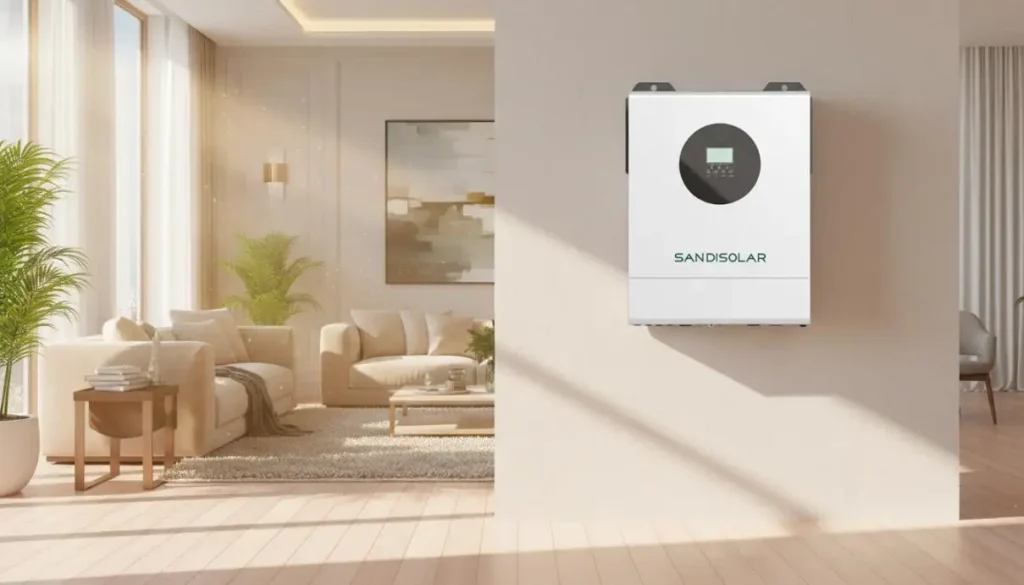
Este es el cambio de la simple monitorización remota al mantenimiento predictivo —y está transformando por completo la forma en que los instaladores profesionales y los compradores comerciales evalúan los equipos eléctricos fuera de la red.
Por qué "Solo monitorizando" Ya no es suficiente
Los inversores tradicionales con WiFi permiten comprobar el voltaje, frecuencia, y estado de la batería de forma remota. Esto es sin duda conveniente y ayuda a evitar inspecciones frecuentes in situ . Sin embargo, La monitorización básica sufre de dos limitaciones fundamentales cuando se aplica a un inversor solar de 220V:
• Solo te dice lo que ya ha pasado: Ves que la salida baja después de que un componente empieza a fallar, No antes—ya ha comenzado el costoso tiempo de inactividad.
• No ofrece inteligencia accionable: Una luz de alarma intermitente en tu salpicadero es básicamente una alerta reactiva disfrazada de "inteligente" Característica.
El mercado de inversores solares de 220V está empezando a priorizar los sistemas de retroalimentación predictiva y preventiva en lugar de los sistemas de retroalimentación diagnóstica. Recent procurement data shows a steep increase in buyers prioritizing built-in intelligence systems when analyzing a company's operational data to predict and prioritize maintenance activities in advance of breakdown instances .
El coste de los daños irreparables
Las fallas en inversores son una de las fallas más frecuentes y costosas en un sistema fotovoltaico , lo que llevó a una menor eficiencia del sistema y comprometió la seguridad del sistema. Para una operación comercial fuera de la red que funciona con un inversor solar de 220V, Inactividad no planificada significa pérdida de capacidad de producción, inventario estropeado, y llamadas de emergencia costosas. La monitorización estándar a nivel de cadena a menudo pasa por alto anomalías individuales hasta que afectan significativamente a la generación de energía .
Para instalaciones solares o híbridas, No detectar señales de advertencia tempranas, como el aumento de las temperaturas, Ondulación de voltaje anormal, or degrading conversion efficiency—shortens equipment lifespan and undermines the entire system's return on investment .
Mantenimiento predictivo: Cómo un inversor solar de 220V aprende a anticipar fallos
Los avances recientes en IA y aprendizaje automático han permitido que una nueva generación de inversores inteligentes realice diagnósticos en tiempo real y previsiones de fiabilidad. Modelos de árbol de decisión que analizan el voltaje, Actualidad, Temperatura, y la distorsión armónica total han logrado una precisión de predicción de fallos superior a 95%, Permitir que los equipos de mantenimiento actúen días o incluso semanas antes de que ocurra un fallo real .
Esto es posible gracias a la recogida y análisis continuos de datos operativos, que, a su vez, Depende totalmente de la fiabilidad, Conectividad integrada.
SANDISOLAR: Enfoque basado en datos
SANDISOLAR se dio cuenta de este cambio en la industria y desarrolló su línea de inversores solares de 220V. Mostrando la importancia de la integración de mantenimiento predictivo entre wifi y rs485, nuestro SD-HYM-48110HW Inversor Fuera de la Red de Onda Sinusoidal Pura Demuestra que el futuro de la energía solar es la información.
• Datos de flujo WiFi integrados: Transmitir datos a la nube para su análisis y mantener un sistema digital, Enlace en tiempo real a nuestra plataforma de monitorización para datos de rendimiento diarios e históricos.
• Integración LiFePO₄ BMS vía RS485: Conoce la salud de las baterías y obtén información sobre la salud general del sistema de almacenamiento.
• MPPT dual con 160A: Mueve datos al inversor desde paneles solares con alta densidad y con pocas o ninguna pérdida con datos de doble mppt y alta densidad del inversor.
Nuestra línea de inversores sigue la tendencia de la electrónica de potencia inteligente.
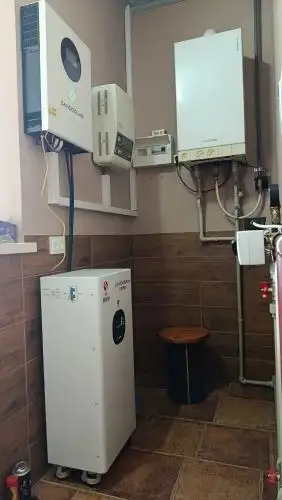
2026: ¿Qué es un inversor inteligente??
Por 2026 Un inversor inteligente que no sea solo una plataforma de monitorización propia, pero también se autodiagnostica. Inspirando la falta de datos, el proyecto ZeroDefect4PV, financiado por la UE, muestra cómo las limitaciones saludables de los datos de fallos están diseñadas para monitorizar y diagnosticar arena y medir las salidas.
Esto significará que para los compradores comerciales y los desarrolladores de proyectos deberían dar prioridad a las decisiones de contratación:
• Conectividad robusta (WiFi, RS485, o Ethernet) inversores equipados como condición previa para la analítica predictiva integrada o de terceros.
• Gestión de la comunicación BMS en batería para apoyar un monitoreo integral de la salud del sistema.
• Diseñado para soportar ambientes agitados con terminales antichoque y protección contra el polvo, y reducir la frecuencia de las inspecciones asegurando la integridad de los datos.
Conclusión: Comprar por inteligencia, No solo conectividad
Un inversor solar de 220V con WiFi ya no es una simple comodidad: es la cadena de datos esencial para el mantenimiento predictivo. Con el mercado global de inversores fuera de la red proyectado para alcanzar una valoración de USD 2.5 Billones por 2033, creciendo a una tasa compuesta anual de 7.8% de 2025 Adelante, La competencia entre fabricantes se está intensificando . Sin embargo, Solo productos diseñados para adquisición de datos en tiempo real, Integración continua de BMS, and long-term reliability will serve as the intelligent backbone of tomorrow's off-grid power systems .
SANDISOLAR, un fabricante dedicado de energía solar fuera de red con más de una década de R&D inversión desde 2008, ha construido su filosofía de producto precisamente en torno a este principio: Conectividad como base, Fiabilidad como estructura, y la inteligencia como futuro . The SD-HYM-48110HW represents a 220V solar inverter designed not just for today's monitoring needs but for tomorrow's predictive intelligence.
Preguntas frecuentes (Preguntas más frecuentes)
Q1: ¿Necesitas un segundo gateway y una suscripción para WiFi en este inversor solar de 220V??
A: No. El SD-HYM-48110HW tiene un módulo WiFi integrado y se conecta a tu WiFi. Remote monitoring and gateway and subscription fees to the manufacturer's app for monitoring and reporting are unnecessary.
P2: ¿Cómo puede evitar que un inversor apagado por el inversor de mantenimiento se desactive con aviso previo?
A: It won't go off. El sistema rastrea parámetros críticos: Temperatura, Ondulación de voltaje, y la eficiencia del inversor, y emite avisos de mantenimiento apagados y encendidos para mantenimiento preventivo mucho antes de que el sistema falle gravemente.
P3: Si 160A es el MPPT dual máximo para uso de corriente de carga,, ¿es ahora con LiFePO4??
A: Seguro. the inverter controls your LiFePO4 battery company's BMS via an RS485 and charging parameters are set to 160A.
P4: ¿Se puede usar el inversor solar de 220V y no tener batería??
A: Sí. El SD-HYM-48110HW tiene arranque sin batería. El inversor puede suministrar corriente alterna a cargas tanto de la entrada solar como de la entrada de la compañía eléctrica.
P5: Si la red WiFi se cae, El inversor también está caído?
A: No. El WiFi es solo para configuración y monitorización, y el inversor es totalmente funcional y autosuficiente, sin WiFi. Arrancará en el último modo de configuración autoconfigurada (SUB, SBU, o modo SUF) y una vez restaurado el WiFi, la red volverá a configurarse con informes de datos.


Contáctenos
En este artículo
Publicaciones relacionadas
Guía de precios de inversores fuera de red 2025: Coste, Talla & Cómo elegir el sistema adecuado
Junio 06, 2026
Inversor solar para sistema fuera de la red: Guía completa para elegir la solución adecuada
Junio 06, 2026
Proveedor de energía solar: Sistema de Carga por Almacenamiento Solar + Conmutación inteligente de EMS sin interrupciones
Mayo 21, 2026