
6,000 Zyklen: Was definiert qualitativ hochwertige LiFePO4-Akkus für die Backup-Versorgung zu Hause
Nach Hauptquartier
2026.04.14Verwandte Beiträge
Preisführer für Off-Grid-Wechselrichter 2025: Kosten, Größe & Wie man das richtige System auswählt
Juni 06, 2026
Solarwechselrichter für netzunabhängiges System: Vollständiger Leitfaden zur Wahl der richtigen Lösung
Juni 06, 2026
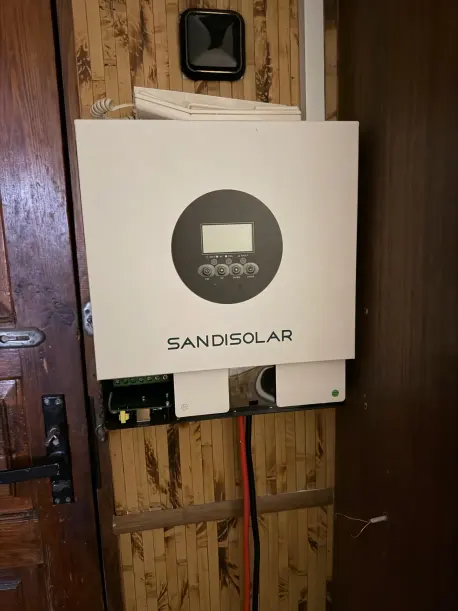
Solarenergie-Lieferant: Solarspeicher-Ladesystem + Nahtloses Smart EMS-Schalten
Mai 21, 2026
LiFePO4-Batterien haben den Standard für Energiespeichersysteme zu Hause gesetzt in 2026. Aber, wie in jeder Produktkategorie, Was du siehst, ist nicht immer das, was du bekommst. Denn es gibt so eine große Vielfalt unter den Batterieherstellern hinsichtlich Anfangspreis und Produktangebot, Der Endverbraucher und der professionelle Installateur blicken über die Anfangskosten hinaus auf eine Kennzahl, und nur eine Metrik, Das ist von größter Bedeutung. Diese Metrik ist die Zykluslaufzeit. Eine Batterie, die danach ausfällt 2,000 oder 3,000 Cycles erzwingt kostspielige Ersatzmaßnahmen und untergräbt die finanzielle Grundlage für Solar-Backups.
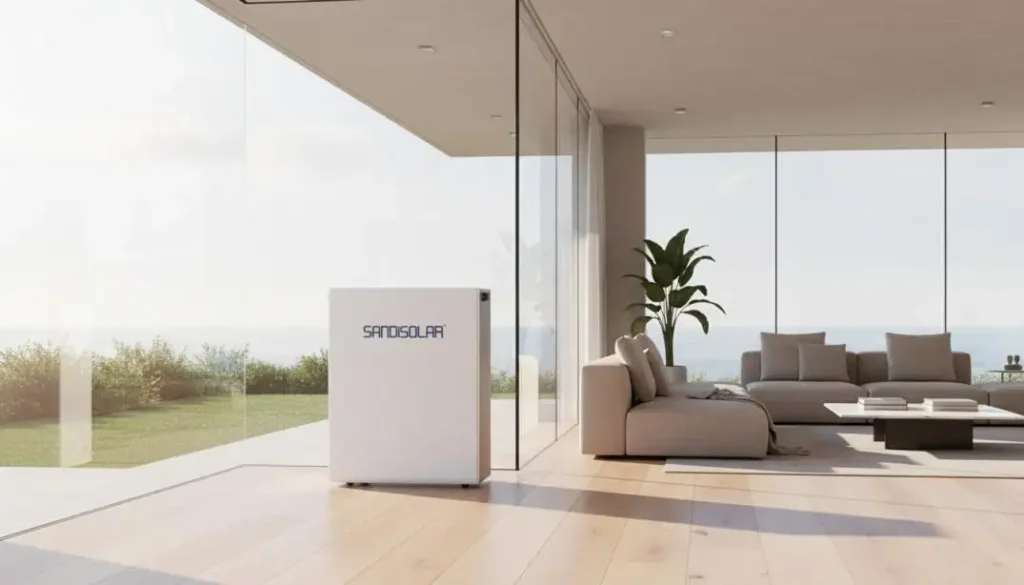
SANDISOLAR, Ein spezialisierter Batteriehersteller, baut seine gesamte Produktlinie auf einem 6.000-Zyklus-Standard auf – damit wird sichergestellt, dass jede LiFePO4-Batterie für das Heim-Backup den Wechselrichter des Hauses überdauert, Sonnenkollektoren, und sogar die Hypothek. Dieser Artikel erklärt, was eine Hochzyklus-Batterie wirklich ausmacht, Wie man Marketingversprechen von realer Leistung trennt, und warum SANDISOLARs Ingenieurwesen das 2026 Markt.
Die Lebensdauer des Zyklus ist wichtiger als die rohe Kapazität
Viele Käufer fixieren sich auf Kilowattstunden und ignorieren, wie viele Jahre diese Kilowattstunden tatsächlich nutzbar sein werden. Eine Batterie mit 10 kWh, aber nur 2,000 Zyklen bei 80% Die Entladungstiefe verschlechtert sich zu 80% Kapazität in etwa fünf Jahren täglicher Nutzung.
Im Gegensatz dazu, Eine LiFePO4-Batterie für Heim-Backup, bewertet für 6,000 Zyklen bleiben immer noch 70% von ihrer ursprünglichen Kapazität nach zehn Jahren – oft überdauert die ursprüngliche Solaranlage des Hauses.
• Reale Kosten pro Zyklus: Teile die Gesamtkosten der Batterie durch 6,000 um die wahren Kosten zu sehen; Hochzyklische Einheiten werden innerhalb von zwei Jahren oft günstiger als Bleisäure.
• Tägliche Fahrradbereitschaft: Netzunabhängige Haushalte und Selbstverbrauchsanlagen erfordern täglich eine vollständige Ladung/Entladung; 6,000 Zyklen ist gleich mehr als 16 Jahre täglichen Gebrauchs.
• Geringeres Garantierisiko: Hersteller, die langfristige Garantien auf 6.000-Zyklus-Produkte anbieten, verursachen weniger Käuferzufriedenheit und Installationsschwierigkeiten.
Herstellung von Batterien mit längerem Zyklus
Auf Zellebene, Mehrere Faktoren tragen zum 6.000-Zyklus- vs. 3.000-Zyklus-Akku bei: Zum Beispiel, Die 3.000-Zyklus-Batterien, die aus reinem Lithium-Eisenphosphat hergestellt werden, haben oft negative Rahmen, die durch Lithium-Interkalation platzen. Aber, Die Elektrodenbildung und -chemie sind in der Feststoff-Elektrolyt-Interphase ebenso wichtig (SEI) Schicht- und Lithiumbeschichtung.
• Optimierte Kompression während der Montage. Verhindert auch nach der Prüfung eine Elektrodendelaminierung. 6,000 Ladungsereignisse.
•Fehlerarme Anodenbeschichtung. Minimiert die Lithiumbeschichtung, eine häufige Ursache für Kapazitätsverlust in Schnellladeszenarien.
• Proprietäre Elektrolytzusätze. Opferagenten bauen eine stabile SEI-Schicht, die kleinere Risse selbst heilt., Erhaltung des aktiven Lithiumbestands.
Obwohl diese Optionen heute vielleicht nicht so leicht auffallen, Sie werden danach geschätzt werden 5 Betriebsjahre. SANDISOLARs rackmontierte Energiespeichersysteme, SD-51.2V 300AH, und 320AH, In beschleunigten Alterungstests von Drittanbietern übertreffen sie konsequent die Lebensziele des Zyklus.
Zyklusretentions-BMS
Ohne die richtigen Steuerungen, Selbst die besten Zellen können eine kurze Lebensdauer haben. Für eine hochwertige LiFePO4-Batterie für die Heim-Backup-Anlage, das Batteriemanagementsystem (BMS) ist mit mehreren Steuerschichten ausgestattet, um das System auf Zellebene hinsichtlich der Spannung zu überwachen und zu steuern, Temperatur, und aktuell. SANDISOLAR integriert sein BMS mit passiver Zellenausgleichung und temperaturkompensierter Laderegelung.
•Zellspannungsangleichung. Rückkopplungsschleifensteuerungen stellen sicher, dass Zellen keine ±20 mV Varianz überschreiten, um Zellrisse zu verhindern.
•Adaptiver Ladungsstrom. Die Steuerungen sind so konzipiert, dass Zellen die Temperaturen von nicht überschreiten. 45 °C oder sinken Sie darunter 0 °C zur Maximierung der langfristigen Integrität.
•Zykluszählung und Gesundheitszustand (SoH) Holzeinschlag: Bietet prädiktive Werkzeuge zur Wartung persönlicher Wechselrichter und zur Integration mit Überwachungsplattformen.
Das BMS kommuniziert über den CAN-Bus und RS485, wodurch SANDISOLAR-Batterien in große Hybridwechselrichter integriert werden können (Deye, Growatt, Victron, SMA). Dieses System vermeidet es, das Erreichen des 6000 Kreislauf des Lebens durch ein geschlossenes Ökosystem.

Wärmemanagement ohne aktive Kühlung
Die Lebensdauer des Zyklus wird durch Wärme beeinträchtigt. Die Lebensdauer des Akkus halbiert sich mit jedem 10°C-Temperaturanstieg. NMC unterstützt Flüssigkeitskühlung (oder Forced Air) und LiFePO4 unterstützt passive Kühlung. Die modularen Batteriegehäuse von SANDISOLAR verwenden vertikale Finnen, die die natürliche Konvektion verbessern.
•Weitzelllückenabstand: Wärmedose zwischen prismatischen Zellen.
• Aluminium-Endplatten: Entfernen Sie thermische Gradienten.
•Keine Ventilatoren oder Pumpen: Beseitigt einen häufigen Ausfallpunkt und reduziert den parasitären Energieverbrauch um 30–50 Watt pro System.
Für Anwendungen mit hohem Zyklus wie täglicher Solarverbrauch oder zeitlicher Nutzungsarbitrage, dieser passive Ansatz sorgt dafür, dass die Batterie in den meisten Klimazonen innerhalb von 15–35°C arbeitet, Direkte Unterstützung der vollständigen 6,000 Zyklen.
Modulare Skalierbarkeit schützt Ihre Zyklusinvestition
Ein weiterer übersehener Faktor ist die Systemgröße. Eine Batterie, die für die tägliche Belastung des Hauses zu klein ist, wird tiefe Entladungen erfahren (Unten 20% Zustand der Ladung) Wiederholt, was das Altern beschleunigt. SANDISOLAR löst dieses Problem, indem es stapelbare Niederspannungsmodule ab 5,12 kWh anbietet (51.2V/100Ah) sowie Hochspannungs-ESS-Konfigurationen, die bis zu 30 kWh und mehr skalieren.
• Kapazität hinzufügen, wenn die Lasten wachsen: Beginnen Sie mit einem Modul für ein kleines Zuhause oder eine Werkstatt; Stapeln Sie zusätzliche Einheiten, wenn Sie ein EV-Ladegerät oder eine Wärmepumpe hinzufügen.
• Parallelbetrieb mit gemeinsamer BMS-Kommunikation: Alle Module zyklieren gemeinsam, Die Aufrechterhaltung eines ausgewogenen Alterns auf der gesamten Bank.
•Konsistente Zyklustiefe: Modulare Größen ermöglichen es Käufern, flache Zyklen einer übergroßen Batterie oder Tiefzyklen einer zu kleinen Batterie zu vermeiden.
Dieses Design passt zu 2026 Einkaufstrends. Hausbesitzer müssen heute nicht mehr zu viel für zukünftige Kapazitäten ausgeben – sie können nahtlos expandieren und gleichzeitig die 6.000-Zyklen-Bewertung im gesamten System erhalten.
Zertifizierungen und reale Validierung
Käufer, die hochwertige LiFePO4-Akkus für die Heim-Backup suchen, sollten stets die Zertifizierungen von Drittanbietern prüfen. Die Produkte von SANDISOLAR tragen CE, RoHS, ISO 9001, UL, und IEC 62109 Zeichen, die eine rigorose Zyklusprüfung bei erhöhten Temperaturen und unterschiedlichen Laderaten erfordern. Das sind nicht nur Zertifizierungen. Sie zeigen, dass die Behauptung der Batterie über 6.000 Zyklen durch externe Testlabore bestätigt wurde.
•UL 1973 und UL 9540A getestet. Thermische Runaway und Brandschutz für den Wohnbereich sind validiert.
•Zyklustestberichte sind verfügbar: Vollständige Informationen einschließlich Kapazitätsretention und Messungen des internen Widerstands.
•Verwendet in 30+ Länder: Tatsächliche Daten von Feldanlagen mit echten Backup- und Off-Grid-Systemen zeigen die Kapazitätsbindung von 80%+ danach 8+ Jahre.
Schlussfolgerung
In der Bewertung von LiFePO4-Batterien für Heim-Backup, Wichtig sind Aspekte wie die Lebensdauer im Zyklus, BMS-Intelligenz, Thermisches Design, und modulare Flexibilität. Der Preis an sich ist bedeutungslos. SANDISOLAR liefert alle vier mit einer unerschütterlichen Bewertung von 6.000 Zyklen – gestützt auf Zelltechnik, Passive Kühlung, und offene Kommunikationsprotokolle.
Egal, ob Sie eine kompakte 12,8V-200Ah-Lithium-Solarbatterie für eine abgelegene Hütte oder eine Hochspannungs-ESS für eine Haus-Backup-Anlage benötigen, Die Wahl einer 6.000-Zyklus-Batterie bedeutet, dass Sie einmal kaufen und mit Sicherheit installieren.
[Hol dir die technischen Daten, Holen Sie sich das Angebot] – Fordern Sie noch heute Ihre maßgeschneiderte Lösung an, inklusive vollständiger Produktbroschüre und Preisinformationen mit einem Klick. [Kontaktieren Sie SANDISOLAR] für Zyklustestberichte und Zertifizierungsdateien.
FAQs: Alles rund um 6.000-Zyklus LiFePO4-Akkus
Q: Ist 6,000 Zyklen möglich mit einer Backup-Batterie zu Hause?
Ja, solange der Akku aus den besten verfügbaren LiFePO4-Zellen besteht, Nutzen Sie ein intelligentes BMS, und verwendet das richtige thermische Design. SANDISOLAR-Batterien wurden im Labor und im Feld validiert, um sie umzuschalten 6,000 Zeiten bei 80% Entladungstiefe.
Q: Was ist 6,000 Zyklen in Jahren?
Wenn der Akku täglich genutzt wird, wie bei der täglichen Nutzung von Solarenergie oder außerhalb des Netzes, 6,000 Zyklen ist gleich über 16 Jahre. Stattdessen, wenn das Backup nur gelegentlich verwendet wird, Wie in 10-20 Zyklen pro Jahr, Die Batterie hält jahrzehntelang.
Q: Hat BMS einen signifikanten Einfluss auf die Zyklen?
Ja. Unzureichende BMS führt zu Problemen wie dem Ungleichgewicht der Zellen, Überspannungen, oder übermäßige Hitze; daher, Die Anzahl der Zyklen würde drastisch reduziert werden. Das BMS der SANDISOLAR-Batterie bietet Zellbalance und temperaturadjustiertes Laden zur Erhaltung jedes Zyklus.
Q: Muss ich aktive Kühlung implementieren, um das zu erreichen? 6,000 Zyklen?
Nein, das Design der SANDISOLAR-Finnen dient dazu, die Heizung von den Batterien wegzulenken, während LiFePO4-Batterien kühler laufen als NMC-Batterien. Beachte, dass Batterien nicht direkt eingesetzt werden sollten, ungeblocktes Sonnenlicht oder in versiegelten, unbelüftet, Heiße Gebiete.
Q: Sind ältere SANDISOLAR-Module linear kompatibel oder wird das meine Zyklen durcheinanderbringen.?
Ja, BMS von SANDISOLAR Selbstbilanz innerhalb derselben Spannungsfamilie. Damit gesagt, Die besten Ergebnisse wurden im Matching neuerer und älterer Module mit derselben Anzahl von Zyklen gefunden. Bitte wenden Sie sich an SANDISOLAR für maßgeschneiderte parallele Anweisungen.


Kontaktieren Sie uns
In diesem Artikel
Verwandte Beiträge
Preisführer für Off-Grid-Wechselrichter 2025: Kosten, Größe & Wie man das richtige System auswählt
Juni 06, 2026
Solarwechselrichter für netzunabhängiges System: Vollständiger Leitfaden zur Wahl der richtigen Lösung
Juni 06, 2026
Solarenergie-Lieferant: Solarspeicher-Ladesystem + Nahtloses Smart EMS-Schalten
Mai 21, 2026