
Why Is MPPT Performance Critical in an Off-Grid Inverter?
By hqt
2025.12.23Related Posts
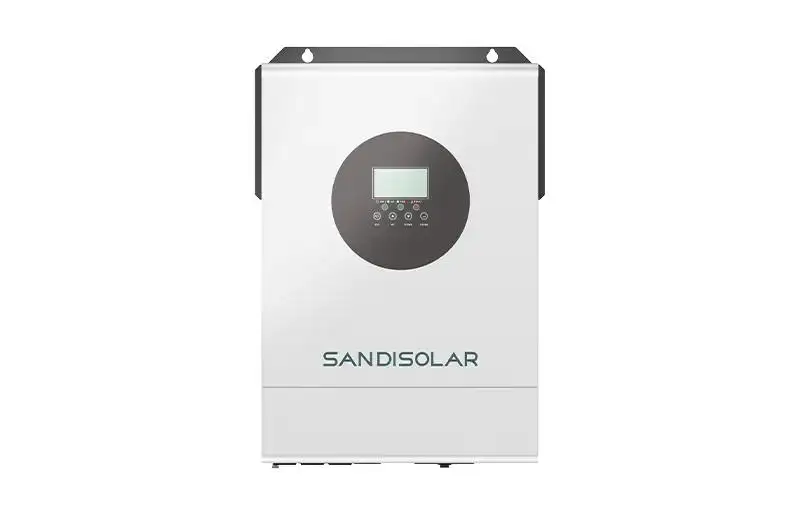
48V 6kW Off Grid Inverter: Why 48V Battery Systems Are Common for Higher-Power Solar Systems
August 31, 2026

Residential Solar System Installation: Technical Sizing, System Matching and Installation Guide
August 31, 2026

48 Volt Inverter for Solar Battery Storage: Key Specifications Buyers Should Compare
August 27, 2026
Why is MPPT such a big deal in an Off-Grid Inverter? When your power comes from the sun, you cannot afford to waste a single watt. MPPT, or Maximum Power Point Tracking, is the control logic that tells your solar panels how to work at their "sweet spot" instead of just "good enough." It constantly adjusts voltage and current as light and temperature change. When MPPT works well, you get more real power from the same panels. When it doesn't... your system quietly loses money and stability. So what really separates strong MPPT from weak MPPT?

Why MPPT Matters More Than You Think
MPPT (Maximum Power Point Tracking) is the control logic inside an Off-Grid Inverter that constantly adjusts how your solar array operates. In practice, it is the part that "listens" to your PV strings and decides at which voltage and current they should run to extract the most power.
Outdoor conditions are never stable. A cloud passes over, panels heat up at midday, one string is partly shaded by a tree or a nearby roof. If the MPPT reacts slowly, or is designed with weak algorithms, the system simply leaves energy on the table. On paper, your array is 10 kW. In reality, you may only be using a fraction of that across the day.
For owners of remote homes, islands, ranches, or field stations, this is not a small issue. It shows up as:
• Lights that dim when a pump starts
• Tools or motors that fail to start on the first try
• Generators kicking in more often than planned
• Batteries cycling deeper and wearing out faster
Most people blame the solar panels or the batteries. In many cases, the real bottleneck is the MPPT section of the Off-Grid Inverter. If it cannot keep the array at its best operating point, all other parts of the system have to work harder and fail sooner.
This is why, for SANDISOLAR, MPPT is not a marketing buzzword. It is the core performance driver of the entire off-grid power solution.

Real-World Problems a Strong MPPT Actually Fixes
To address these pain points, SANDISOLAR integrates high-current MPPT up to 120A with a maximum PV input of 500 Vdc. These numbers are not just there for the datasheet. They are chosen to solve problems that installers and operators face every day in the field.
- Higher Solar Yield, Lower Lifetime Cost
A more capable MPPT stage in an Off-Grid Inverter keeps the PV array closer to its real maximum power point, even in mixed conditions. Over a full year, this can translate into:
✅ More usable kilowatt-hours per panel
✅ Shorter payback times for the whole system
✅ Smaller need for oversizing the array "just in case"
Instead of installing extra panels to compensate for poor control, you can trust the inverter to work the existing array harder and smarter.
- Stable Power For Sensitive Loads
Many off-grid sites run more than just lights. Typical loads include water pumps, refrigeration, communication equipment, or medical devices. These loads do not like unstable voltage or frequent dips.
When MPPT performance is weak, sudden changes in sunlight can ripple through the DC side and show up as fluctuations on the AC output. With a strong MPPT design and a pure sine wave Off-Grid Inverter, output voltage and frequency stay much more stable. Motors start more reliably, electronics are better protected, and users feel less "off-grid stress" in daily operation.
- Less Dependence On Batteries And Generators
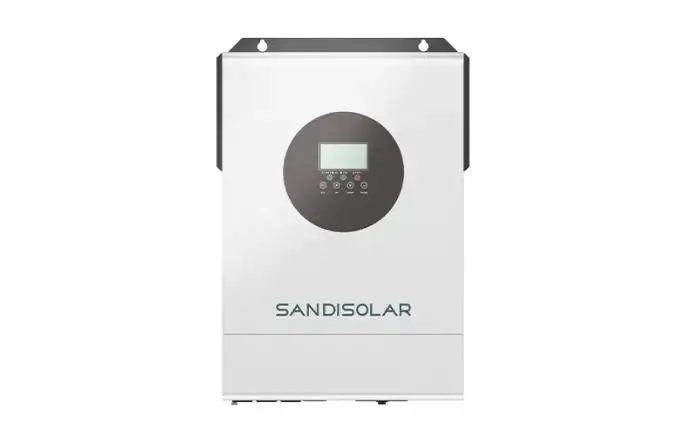
SANDISOLAR systems are designed to support battery-less operation in suitable scenarios, which is a powerful tool for project developers and owners. Good MPPT performance makes it practical to power many daytime loads directly from solar while keeping batteries as a buffer instead of the primary energy source.
This brings three key benefits:
• Fewer deep discharges, extending battery life
• Less generator runtime and lower fuel costs
• More flexible system design for sites with clear day-night load patterns
The result is a cleaner, quieter, and more cost-effective off-grid solution that does not rely on constant generator support.
- Ready For Growth: Parallel And Three-Phase Expansion
Another common off-grid headache is expansion. Many users start small, then realize they need more capacity after a few months of real operation. SANDISOLAR off-grid inverters can operate in parallel with up to 12 units, supporting both single-phase and three-phase configurations.
Because each inverter has its own strong MPPT, the system scales in a predictable way. When new PV strings and inverters are added, each unit tracks its share of the solar power effectively. There is no need to rebuild the original design from zero - the system grows with your needs.
- Built For Harsh Environments
Real off-grid locations are often dusty, humid, or exposed to salt and sand. In real off-grid locations, dust, salt spray and fine sand are not just "dirt" - they are long-term threats. Without proper protection, they slowly corrode components, cause overheating and reduce the performance of your system year after year.
That is why SANDISOLAR equips each Off-Grid Inverter with a removable dust cover that helps isolate critical electronics from harsh air. When you combine this mechanical protection with smart thermal management and a rugged housing, the MPPT controller and power stage can keep delivering stable output for a very long service life.
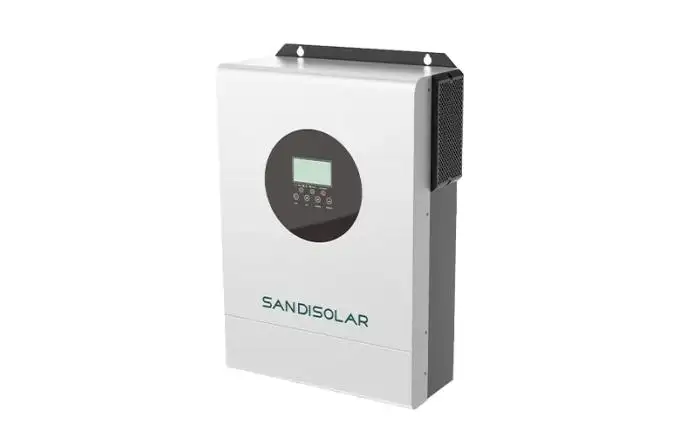
Our inverters are also designed to work seamlessly with LiFePO₄ batteries. These batteries are well known for their high safety margin, flat discharge curve and extended lifespan. Under accurate MPPT control, they form a reliable, predictable energy storage backbone for serious off-grid applications.
How SANDISOLAR Turns Sunlight into Energy Independence
In our view, an Off-Grid Inverter is the heart of the system, not just a power conversion device. It is the central controller of a complete energy ecosystem. That is why we combine strong MPPT performance with multi-mode intelligent dispatch.
In practice, this means the system can:
✅ Decide when to use solar power directly for loads
✅ Decide when to charge or discharge the battery bank
✅ Decide when to call on a generator or grid (if available)
When MPPT delivers accurate real-time data, this dispatch logic can prioritize solar energy, protect battery health, and reduce fuel or grid consumption without constant human adjustment. For the end user, this means clean, steady power without the need to constantly watch the system or manually change operating modes.
SANDISOLAR Off-Grid Inverter solutions are already in the field at:
• Off-grid homes, ranch properties, and cabin sites
• Island communities and coastal projects with fragile grids
• RV setups, marine systems, and mobile workstations
• Backup installations for residential and mission-critical loads
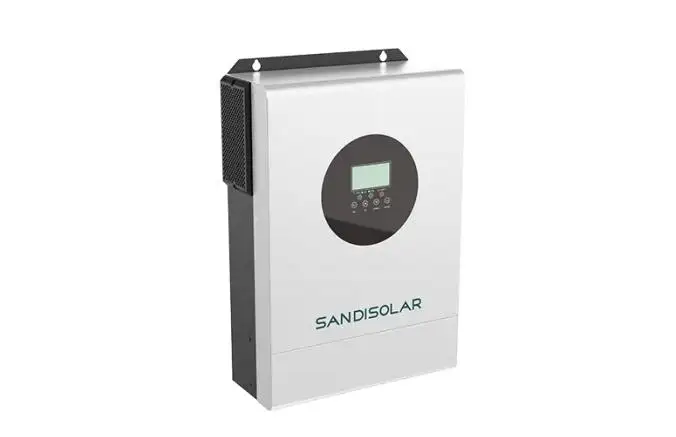
We manufacture our inverters under rigorous quality processes and certify them to leading international standards like CE, RoHS, ISO 9001, UL, and IEC 62109. These approvals give stakeholders confidence when installing our technology in tough or remote environments.
When you evaluate equipment for an off-grid upgrade or a brand-new system, place MPPT performance near the top of your technical checklist. It directly affects how much energy you harvest, how your loads behave, and how often you need to maintain or expand the system.
Call to Action
If you are looking to build a smarter, more resilient Off-Grid Inverter system, we invite you to talk with SANDISOLAR. Our team can help you choose the right configuration, design for future expansion, and make sure your MPPT strategy matches your real-world conditions. Reach out today and let us turn more of your sunlight into stable, dependable power for true energy independence.


Contact Us
In This Article
Related Posts
48V 6kW Off Grid Inverter: Why 48V Battery Systems Are Common for Higher-Power Solar Systems
August 31, 2026
Residential Solar System Installation: Technical Sizing, System Matching and Installation Guide
August 31, 2026
48 Volt Inverter for Solar Battery Storage: Key Specifications Buyers Should Compare
August 27, 2026