Choosing a Solar Distributor in Europe: What Buyers Should Evaluate
By hqt
2026.10.23Related Posts

C&I PV System Design: How to Plan Commercial Rooftop and Ground-Mounted Solar
October 30, 2026

What Is C&I Solar? A Guide to Commercial and Industrial Solar Systems and Examples
October 29, 2026

How to Become a SANDISOLAR Solar Distributor in Poland and Develop Your Storage Business
October 28, 2026
Two solar suppliers might have solar equipment with the same price, but the experience of purchasing them might be completely different for a solar installer. Quotes can contain current documentation as well as a confirmed delivery plan and a support contact. The other may leave out the significant questions until it is time to make an installation.
So when considering a solar distributor in Europe, it's not just about the cost of the units. The buyer must take into account the suitability of the equipment to the projects, its ability to supply it on time and how technical queries will be answered. One evaluation process ensures that it will be easier to select a supplier for the initial order and for future work.
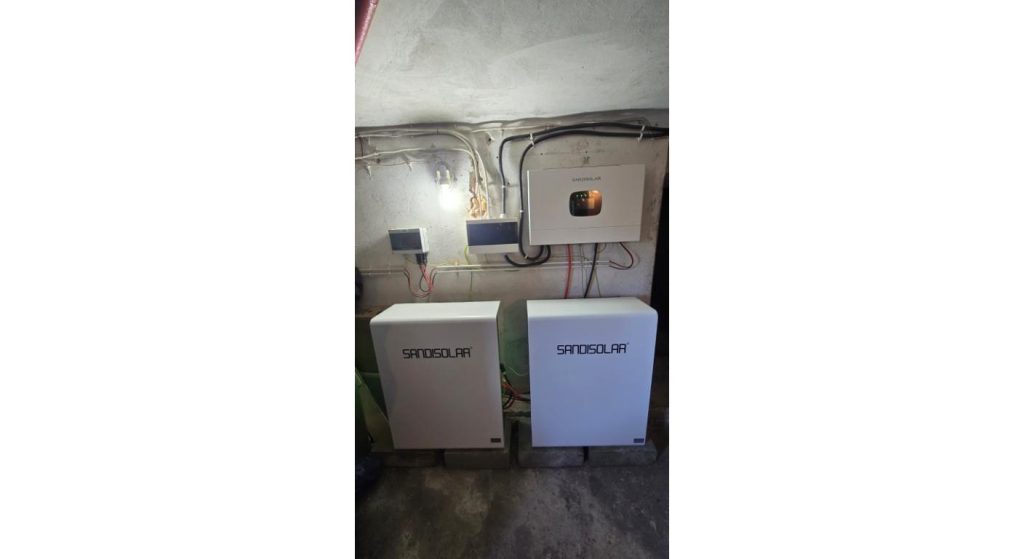
Get Projects You Supply to help you get started.
It is important to find the right distributor, depending on your customers and applications. Compact inverters and batteries might be needed on a regular basis for a residential installer in house systems. A manufacturer of an electrical product might decide to specialize in a range of items that can be sold to a number of installer customers again and again. Project specific equipment and technical review may be required by commercial integrator.
Be sure to review your recent queries before you send a catalog request. Determine your customer's operating mode, load requirements, project timeframe and the technical assistance that they require.
Distinguish between items that you might buy on a regular basis and items that you are buying for a specific project. It's the difference that will help a distributor to know if you are looking for continuous stockouts or a custom-made quotation.
This also avoid a comparison that is too broad. If the models in the different categories that a supplier has are not applicable to your specific applications or target markets, the advantage of having a supplier with numerous product categories is not relevant.
Compare products according to applications.
Distributors' product lines need to be evaluated within the proposed system. SANDISOLAR has off-grid solar inverters with various ratings and configurations, and LiFePO4 batteries with various voltage and capacity.
If designing an off-grid project, check the inverter output, solar input limits, battery voltage and anticipated loads. As part of a backup application, specify what circuits require power and how the circuits proposed for this application will function if the primary power source is lost.
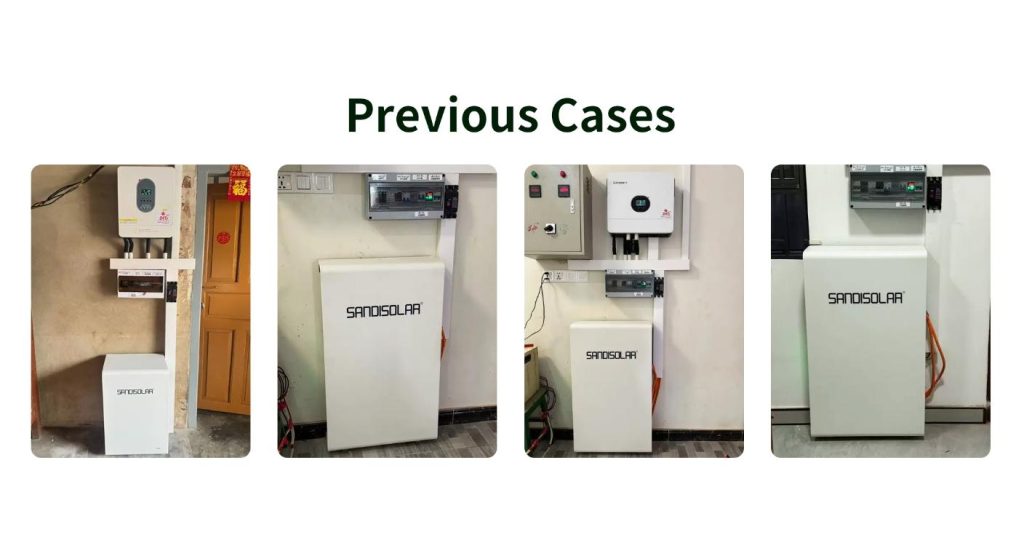
Don't assume an off-grid inverter will be able to be used to export electricity to the public grid. These operating mode and connection arrangement are intended for the specific product and project.
For battery applications, inquire whether the battery will be usable in that configuration, charging demands, compatibility of communications, and conditions for installation. Two key factors are not matched by the voltage alone: an inverter and battery will not work together as intended.
Ask for paperwork on the particular model that is being used.
A good product document will specify the model/version being provided. Ask for the latest datasheet, installation instructions, warranty and relevant conformity documents before making a purchase.
The download center at SANDISOLAR contains resources of the products that are available. Request the supplier to verify that the documents are appropriate for the chosen model and if there is other material available for your target market.
European buyers should also verify the requirements for the product and the location in which they are to be installed. These may vary depending on the country as well as the design of the system and the grid connection. A CE marking is not proof of compliance of all local connection requirements.
If documentation is required in a specific language, talk about it prior to the first order. The same goes for manuals that are updated: make a decision on how your team will be alerted of the change of product or document version.
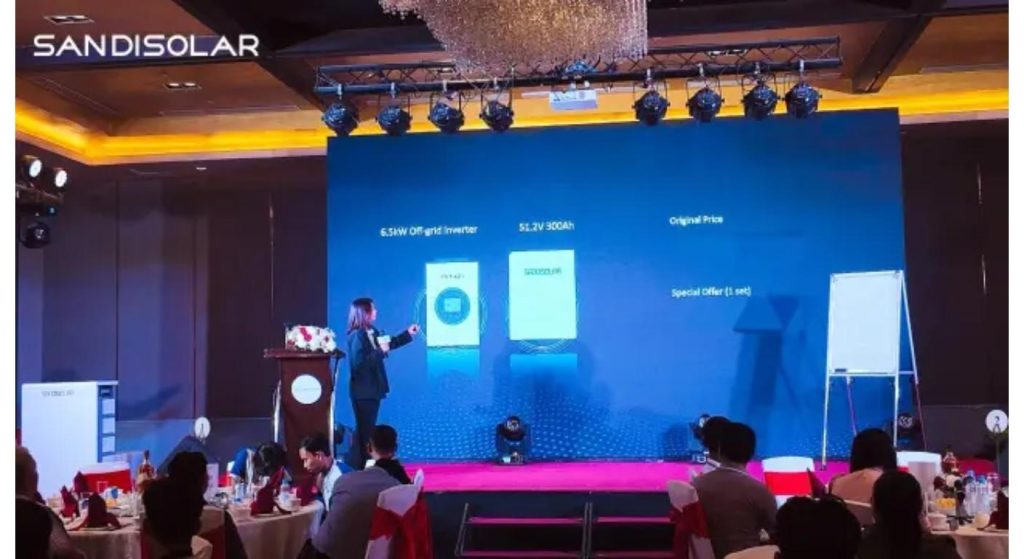
Use “Check Stock against Delivery Schedule” to manage the in and out flow of your stock.
A warehouse space can be beneficial when the models and amount of warehouses are what your projects need. According to SANDISOLAR the product is available in EU and US warehouses, but is subject to confirmation of order.
Inquire about the location of the chosen equipment, its number and their availability. When a project requires both inverters and batteries, determine if the required number of batteries can be provided in conjunction with the required number of inverters.
Differentiate between the availability of stock, the time for dispatch and delivery to the installation site. These are different phases, and each has the potential to impact the project timetable.
When it comes to repeat orders, talk about restocking in addition to initial order. A supplier might be able to provide an adequate first order volume but subsequent demand needs to be considered based on lead times confirmed and forecast updates.
The total cost of the supplies, including the cost of the drill and the bits.
Cheap may not be cheap when it comes to product pricing. Delivery, insurance and taxes, accessories, payment terms and any import formalities may alter the buyer's payment.
Request price quote which specifies model, quantity, delivery dates and accessories. Properly explain if transport is free or not, and who is responsible for each transport.
If shipping battery products, ensure the shipping method and necessary shipping documents with the shipping company and the supplier. If products are being shipped separately, find out what the additional shipping fees are and what impact it will have on delivery time.
Don't forget the time that may be required to get technical information or fix a missing part. A clear quotation is easier to compare, and less likely to result in confusion once an order has been placed.
Discuss Technical and After-Sales Support.
The help of installers might be required before and after the delivery. It could be related to product selection or commissioning or a reported fault or operating settings.
Inquire about the process for submitting technical questions and what information the technical support staff requires. Providing a model number, a serial number, system configuration and a clear description of the issue helps to identify the correct product and documentation.
Check warranty procedure prior to selling equipment to end customer. Define communication with the customer, define who does any necessary site inspection and outline assessment of replacement/return requests.
Business model should be reflected in support arrangements. The communication process required by a wholesaler that has multiple installers may differ from that of an integrator with one big project. Depart on a route agreed upon in advance.
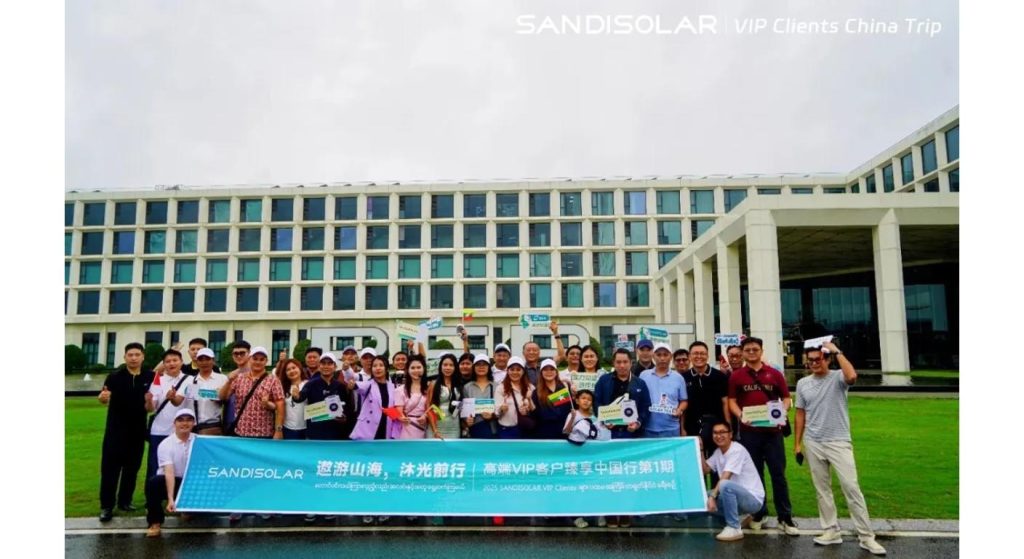
Assess the Supplier for future projects
A first order will give a clear indication of communication of the distributor, confirmation of the specification and delivery methods. Document the process for the next time you need to make a purchase so that you will have experience in addition to the quotation.
See if the equipment was in line with the documents, if the order was received according to the agreement and if there was prompt response to questions. Discuss discrepancies with supplier and make improvements in the product prior to reordering.
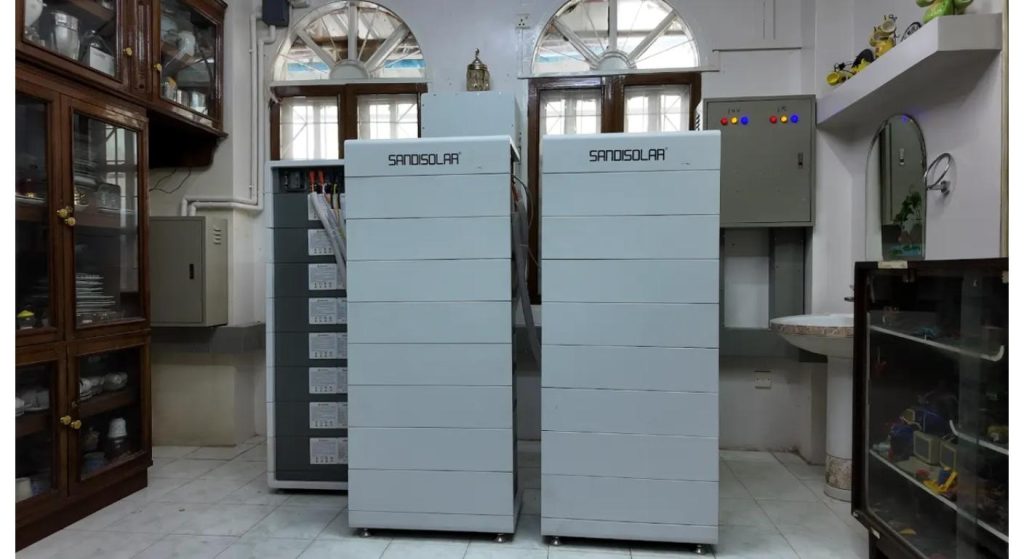
SANDISOLAR also displays commercial and industrial energy storage products for larger uses. Each of these systems should be evaluated, based on the specific project, such as the site load, space requirements, operating goals, and installation duties.
If a buyer wants to contact us about supply or a distribution relationship, he can use the SANDISOLAR distributor page. For envisaged cooperation the availability of products and the terms of their commercialisation must be confirmed.
| Comparison Item | Supplier A | Supplier B |
| Models suitable for the application | ____________________ | ____________________ |
| Required documents received | ____________________ | ____________________ |
| Stock location and confirmed quantity | ____________________ | ____________________ |
| Estimated delivery date | ____________________ | ____________________ |
| Quoted cost including delivery | ____________________ | ____________________ |
| Technical support contact | ____________________ | ____________________ |
| Warranty process confirmed | ____________________ | ____________________ |
| Follow-up action | ____________________ | ____________________ |
Conclusion
The right solar supplier in Europe must be assessed based on the solar projects you deliver. Along with the price, consider the fit of the product, model-specific documentation, delivery options and how the support process is done.
A straightforward initial investigation and a steady supplier evaluation can make it easier to make purchase decisions, and help build a more solid foundation for repeat business.
FAQ
Q1. Solar distributor in Europe – what should I look out for?
Check the product's appropriateness, product documents, delivery conditions and technical support. Match up these with your customers applications.
Q2. Are there any inverter & battery products offered by SANDISOLAR?
Yes. It offers various types of off-grid inverters and LiFePO4 batteries on its website, each of which come with its own specifications and setups.
Q3. Is there an EU warehouse of SANDISOLAR products?
According to SANDISOLAR, they have in stock in an EU warehouse. Be sure to verify the model, amount and where it was going to be sent before ordering.
Q4. Are all inverters the same in that they can be connected to a battery?
No. The voltage, charging, communication and other specifications for the proposed combination should be checked.
Q5. What Is Information I Want When I Ask For A Bid?
State the product models or application, quantity, delivery place, and delivery time. If technical selection is still to be done, add details about the available system.


Contact Us
In This Article
Related Posts
C&I PV System Design: How to Plan Commercial Rooftop and Ground-Mounted Solar
October 30, 2026
What Is C&I Solar? A Guide to Commercial and Industrial Solar Systems and Examples
October 29, 2026
How to Become a SANDISOLAR Solar Distributor in Poland and Develop Your Storage Business
October 28, 2026