
Hybrid Inverter for Home Use: Power Your Life Without the Grid or a Battery
By hqt
2026.05.12Related Posts
48V 6kW Off Grid Inverter: Why 48V Battery Systems Are Common for Higher-Power Solar Systems
August 31, 2026

Residential Solar System Installation: Technical Sizing, System Matching and Installation Guide
August 31, 2026

48 Volt Inverter for Solar Battery Storage: Key Specifications Buyers Should Compare
August 27, 2026
For homeowners and businesses looking to reduce energy costs, a Hybrid Inverter for Home Use has traditionally required a battery bank to function during outages. But technology has moved forward. Today, a properly designed Hybrid Inverter for Home Use can run your essential loads directly from solar panels, even when the grid is down and no battery is attached. This capability changes the economics of off-grid and backup power systems, making solar access more practical and affordable for a wider range of users.
What Makes a Hybrid Inverter Different
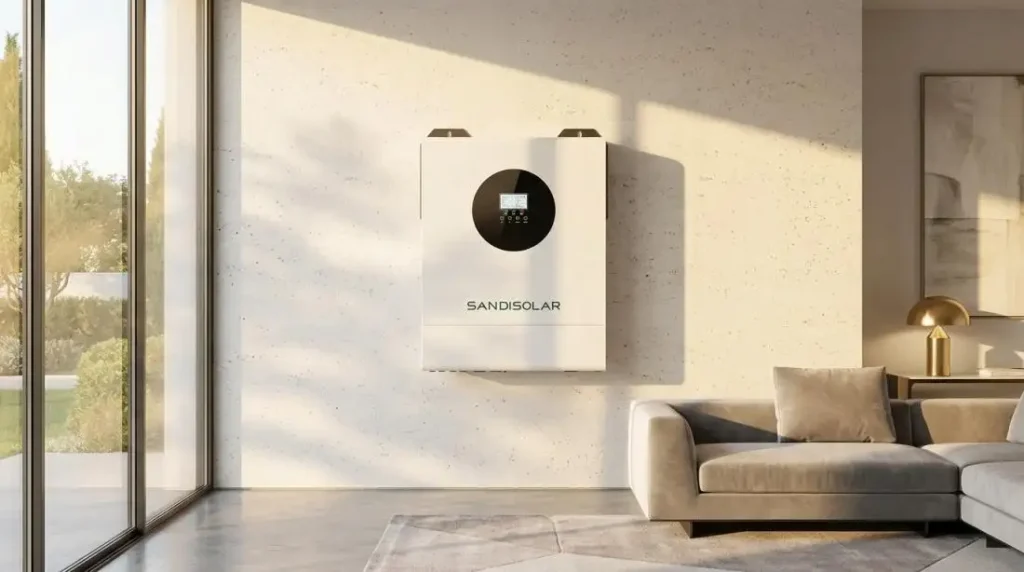
A standard grid-tie inverter shuts down during a blackout for safety reasons. A basic off-grid inverter requires a battery to operate at all times. A modern Hybrid Inverter for Home Use combines the best of both. It manages solar panels, battery storage (if present), the utility grid, and a backup generator within a single unit. And crucially, many advanced models are now capable to work without battery, offering daytime backup power that was impossible just a few years ago.
Running Solar Directly: No Battery Required
The ability to operate without a battery is not a marketing claim. It is a practical engineering feature found in select Hybrid Inverter for Home Use units, including models from SANDISOLAR. When the sun is shining, the inverter draws power directly from the PV array, converts it to clean AC electricity, and powers your home or business in real time.
• Lower upfront cost: You can begin harvesting energy and saving money right away with solar-only operation. There’s no need to purchase an expensive lithium battery in the beginning.
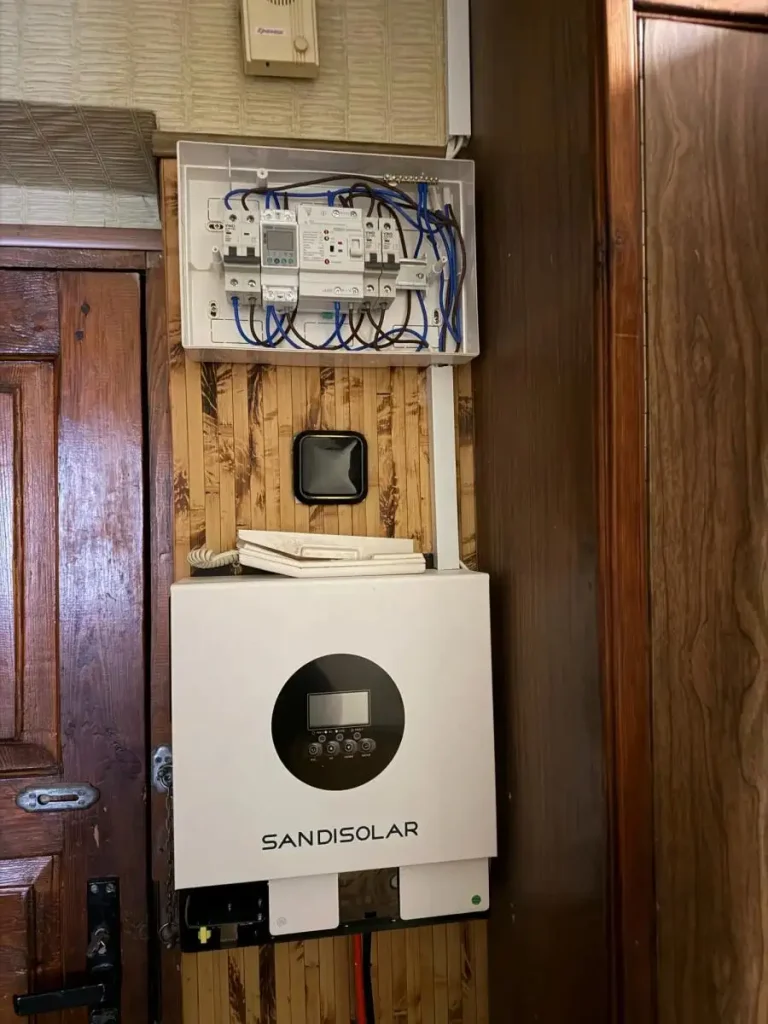
• Simpler installation: The reduced number of components translates to less wiring, fewer potential failure points, and an installation that’s much faster for the electrician.
• Daytime productivity: The system can be used to run water pumps, power tools, refrigerators and even office equipment during the day without drawing from the battery.
• Battery as an option: Add a battery later when your energy needs increase, or when your budget allows.
Pure Sine Wave Output for Sensitive Equipment
Not all solar power systems produce high-quality output. Many low-cost inverters produce what’s known as a “modified sine wave” output, which can potentially damage expensive electronics by making their lifespan much shorter. A quality Hybrid Inverter for Home Use produces a pure sine wave and supports sensitive electronics, including:
> CPAP machines or other medical devices
> Computers, servers, and other networking devices
> Variable speed fridges and freezers
> Modern TVs, including LEDs, and modern audio equipment
> Microwave ovens, and induction cooktops
Inverters produce an exceptionally solid and quality power output profile, essential for homes and businesses that modern appliances and equipment. They reduce the audible noise level of motors and equipment.
Generator Compatibility for Extended Reliability
Even the best solar system faces cloudy days. A well-designed Hybrid Inverter for Home Use includes an AC input, thereby allowing the integration of a portable or even a standby generator as a secondary backup. That means you have continued options:
Solar (preferred) The inverter first uses the energy of your solar panels.
• Battery second: If a battery is added to the system, it is used next. Only after the batteries are discharged, will other options be available.
• Use generator last: Only when solar and battery are depleted does the generator start automatically.
This tiered approach maximizes fuel savings and reduces generator run time, which extends engine life and lowers maintenance costs.
Adjustable Parameters for System Integration
Every home and solar array is different. A fixed-setting inverter forces you to work around its limitations. With a Hybrid Inverter for Home Use, you can tweak performance through customizable charge/discharge settings to match your equipment and usage.
• Set absorption and float voltage for your exact battery chemistry, whether lithium, sealed lead-acid, flooded, or user defined
• Protect the lifespan of your battery with customized depth of discharge limits
• Set AC input limits to control the overload from a smaller generator
• Set preferences for your power source priority (i.e., Solar first, then Battery, then Grid, then Generator last)
This level of adjustability and control is the right fit for system integrators and electricians, as well as advanced homeowners, for whom maximum efficiency is a priority, as compared to a one-size-fits-all solution.
Fast Switching for Seamless Power
From the moment the grid goes down, every missing second of power can mean a loss of data. Long transfer times the cause of loss of data and a slow down of critical systems for long periods of time as they warm back up. Modern Hybrid Inverter for Home Use systems have a fast switch time of up to 10 milliseconds, meaning:
• No flicker in the lights
• No reboot for computers and routers
• No interruption of the cooling cycle of refrigerators and freezers
• No interruption of sensitive equipment like medical devices
Communication and Monitoring
Remote management is a necessity. Be it a Home owner wishing to monitor the status of the system or a Dealer looking to monitor multiple installations, a hybrid inverter must of will have a communication port for monitoring and integration of the system. These types of connections can be provided via RS485 and CAN bus or built-in WiFi. These ports enable:
• Real-time viewing of solar production, battery state of charge, and load consumption
• Remote parameter adjustments without visiting the site
• Integration with home energy management systems or third-party monitoring platforms
• Firmware updates to add features or improve performance over time
Why SANDISOLAR Fits the 2026 Market
SANDISOLAR manufactures Off-Grid Inverters that specifically address the trends shaping 2026: high DC input voltages, generator readiness, and battery-optional operation. Their SD-HYM series includes built-in MPPT up to 500Vdc PV input, low-frequency transformer construction for surge handling, and pure sine wave output across all load ranges.
For buyers evaluating Hybrid Inverter for Home Use options, the ability to start without a battery is not a niche feature. It is a practical path toward affordable energy independence. You can install today with just solar panels, add batteries next year, and keep your generator as a final safety net.
Frequently Asked Questions
Q: Can a Hybrid Inverter for Home Use operate without a battery?
Indeed. The SD-HYM Series from SANDISOLAR operates directly from the solar panels during the day, even without a battery connected.
Q: What’s gonna happen at night without a battery?
The inverter will convert to grid power (if the grid is available) or wait for a generator to turn on. Without a battery, solar-only operation will only happen when the sun is up.
Q: Can I add a battery in the future?
Yes, of course. The system is very flexible in terms of battery integration for future use. You can go for a solar-only system and add lithium or lead-acid batteries whenever you can.
Q: Can I connect my sensitive electronics temporarily?
Yes, with the fast switch time (less than 10 m/s) and the pure sine wave output, there will no disruption to computers,medical devices and smart appliances.
Q: Can I use a gas generator?
Yes, for generator compatibility, the AC input option is available for your portable or standby generators. You can even set yourself current limits to avoid the overloading of your mag generator.


Contact Us
In This Article
Related Posts
48V 6kW Off Grid Inverter: Why 48V Battery Systems Are Common for Higher-Power Solar Systems
August 31, 2026
Residential Solar System Installation: Technical Sizing, System Matching and Installation Guide
August 31, 2026
48 Volt Inverter for Solar Battery Storage: Key Specifications Buyers Should Compare
August 27, 2026