
What Does Residential Solar System Maintenance Actually Include?
By hqt
2025.12.31Related Posts
48V 6kW Off Grid Inverter: Why 48V Battery Systems Are Common for Higher-Power Solar Systems
August 31, 2026

Residential Solar System Installation: Technical Sizing, System Matching and Installation Guide
August 31, 2026

48 Volt Inverter for Solar Battery Storage: Key Specifications Buyers Should Compare
August 27, 2026
When we talk about Residential Solar System Maintenance, we're talking about looking after your entire power system, not just cleaning panels on the roof. At SANDISOLAR, we've learned that simple, regular care helps avoid surprise breakdowns, protects your batteries, and saves money that would otherwise go into emergency repairs.
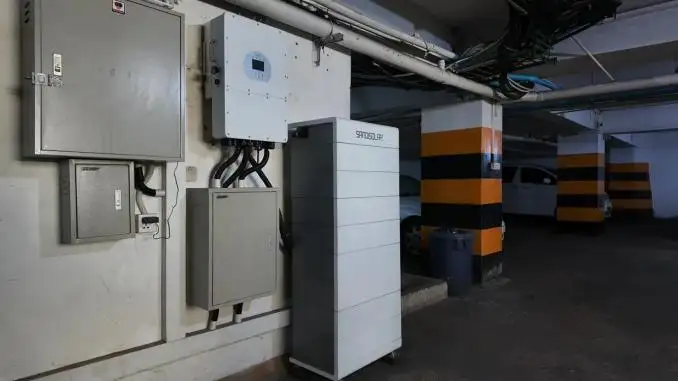
We design our products and services so that Residential Solar System Maintenance stays as straightforward as possible. Smart hardware, simple monitoring, and a clear checklist are usually enough to keep a system in good shape.
What Does Residential Solar System Maintenance Really Mean?
Most people hear "maintenance” and think of a quick clean once or twice a year. In reality, Residential Solar System Maintenance is a health check for every part that turns sunlight into usable electricity. That means rooftop panels, mounting hardware, DC and AC wiring, the inverter, and any batteries.
A typical service check begins with a careful visual scan of your solar system. The technician searches for loose or discolored wiring, panel cracks, storm damage, and any signs that components are overheating. These small defects may seem harmless, but they slowly reduce efficiency and can lead to safety issues if ignored.
Cleaning is another key step, especially in dusty, industrial, or coastal regions. Even a thin layer of dirt, leaves, or bird droppings can cut production over time. Regular cleaning keeps your array close to its rated performance and protects your long-term savings.
Performance analysis is the final piece. Your installer compares actual energy output with expected values for the season. If the gap is too large, they run deeper checks on strings, voltages, and inverter logs to find where the loss is coming from. The goal is simple: catch problems while they are still small.
- Why Skipping Maintenance Costs You More?
Many homeowners only think about Residential Solar System Maintenance when the lights go out or the electricity bill suddenly jumps. By then, a minor issue has often turned into a major repair.
• Loose or corroded connections create heat, damage components, and shorten system life.
• Poorly managed batteries can lose capacity years earlier than planned.
• A misconfigured inverter may pull more power from the grid than from the sun, quietly eroding your savings.
There is also a responsibility gap. The panel maker, inverter brand, and battery supplier may all be different companies, so it is hard to know who to call first when performance drops. A clear maintenance plan, with one qualified team in charge, removes that confusion and keeps the system running smoothly.
Inside a Professional Residential Solar System Maintenance Visit
From SANDISOLAR's point of view as a manufacturer, a good maintenance visit follows a checklist so no critical point is missed.
1) Visual, Safety, and Performance Checks
On the hardware side, a technician will usually:
✅ Inspect panels for cracks, hotspots, or new shading from trees or nearby buildings
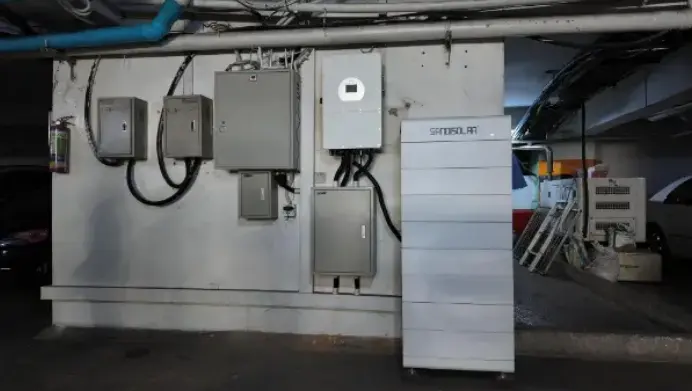
✅ Check the mounting structure, junction boxes, breakers, and wiring for movement, rust, or water ingress
✅ Verify grounding and surge protection so the system is ready for storms and grid events
They then review inverter data to spot warning signs such as abnormal temperatures, repeated restarts, or fault codes. These clues often appear long before a complete shutdown, which gives time to fix the root cause.
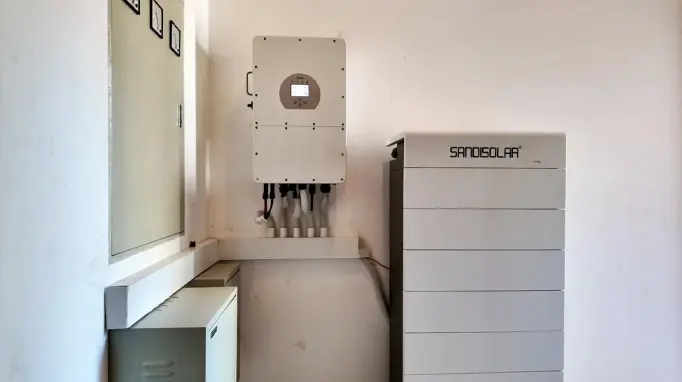
Battery checks are also important for Residential Solar System Maintenance. Even modern lithium batteries need periodic review. The team confirms that charge and discharge currents are within safe limits, checks communication between battery and inverter, and ensures protection settings match the battery type, including LiFePO4 packs.
2) Panels, Inverter, and Batteries Working Together
SANDISOLAR systems are built around a high-power MPPT solar charge controller that can handle strong solar input and convert up to around 5,000 W of DC energy into clean power for charging batteries and supporting household loads. The result is less wasted sunlight and more consistent energy output, even as weather and seasons change.
For homeowners, this translates into simple but powerful benefits when carrying out Residential Solar System Maintenance:
✅ Utility and generator inputs can both be verified, giving you confidence that backup power is ready.
✅ Smart operating modes - like choosing when the system should favor solar or the grid - can be aligned with your schedule and tariff plan.
✅ Battery protection tools, including activation using solar or utility power, help revive deeply discharged batteries and protect your investment over time.
Because Wi-Fi is external/built-in, performance data can be monitored and adjusted without waiting for the next on-site inspection. You and your installer can review system history, spot drops in output, and schedule checks before small changes turn into big issues.
How SANDISOLAR Makes Maintenance Simple and Reliable
At SANDISOLAR, we want technology to reduce stress, not add to it. That is why we build products that are robust enough for harsh conditions but still easy to operate and maintain. Features such as strong cooling, a protective dust cover, and dual outputs for critical and non-critical loads directly support easier Residential Solar System Maintenance.

In a typical home, critical loads might include lighting, Wi-Fi, security systems, and key appliances. Less essential loads might be air conditioning in spare rooms or decorative lighting. Our inverters can power these groups separately. During a maintenance visit, this design lets technicians test each output on its own, locate faults faster, and keep your most important circuits on even if there is an issue elsewhere.
Local conditions matter as much as product specs. High heat, humidity, unstable grids, and frequent generator use each place different demands on a solar system. Our teams and partners adjust settings and maintenance intervals to match real-world conditions, so systems behave in the field the way they are meant to on paper.
For homeowners, the message is simple: you do not need to become a solar engineer to protect your investment. You just need a reliable system, a trusted service partner, and a clear maintenance plan.
Call to Action
If you want your solar investment to stay strong, safe, and efficient, contact SANDISOLAR or your local SANDISOLAR partner to arrange a Residential Solar System Maintenance review. A structured check today can protect years of clean, dependable power for your home.


Contact Us
In This Article
Related Posts
48V 6kW Off Grid Inverter: Why 48V Battery Systems Are Common for Higher-Power Solar Systems
August 31, 2026
Residential Solar System Installation: Technical Sizing, System Matching and Installation Guide
August 31, 2026
48 Volt Inverter for Solar Battery Storage: Key Specifications Buyers Should Compare
August 27, 2026