SD 51.2V 300Ah LiFePO4 Battery: A Complete Guide for Home Solar Storage
By hqt
2026.09.24Related Posts

C&I PV System Design: How to Plan Commercial Rooftop and Ground-Mounted Solar
October 30, 2026

What Is C&I Solar? A Guide to Commercial and Industrial Solar Systems and Examples
October 29, 2026

How to Become a SANDISOLAR Solar Distributor in Poland and Develop Your Storage Business
October 28, 2026
The capacity is not the only criterion for picking the most suitable type of residential energy storage battery. The battery needs to be compatible with the inverter, solar power output, domestic power requirements and backup power desired.
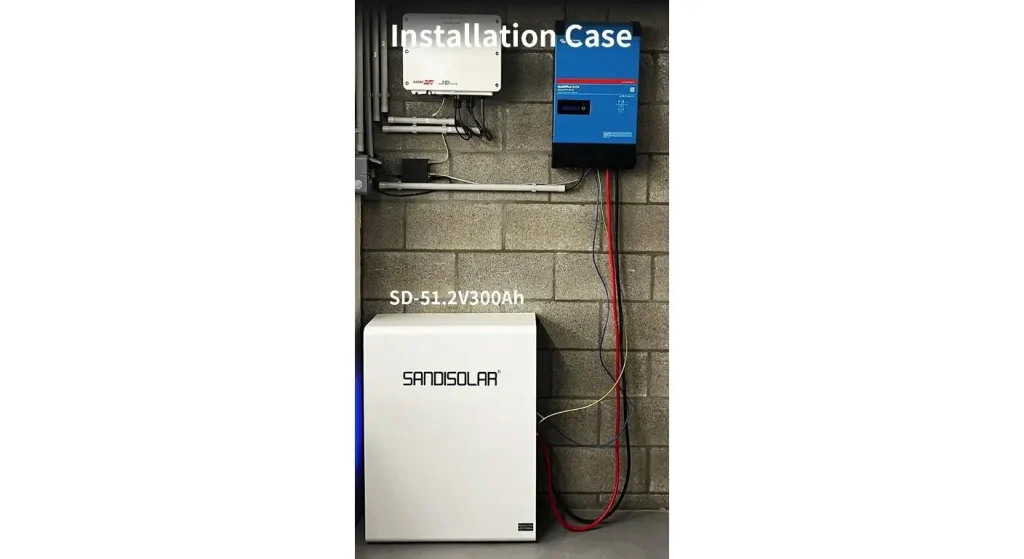
If your solar application requirements require reliable daily cycling, backup power and intelligent battery management, then the SD 51.2V 300Ah LiFePO4 battery is designed for residential solar storage applications.
The battery has a nominal voltage of 51.2V and a capacity of 300Ah, which equates to around 15.36kWh of stored energy, ideal for medium to large sized residential storage batteries.
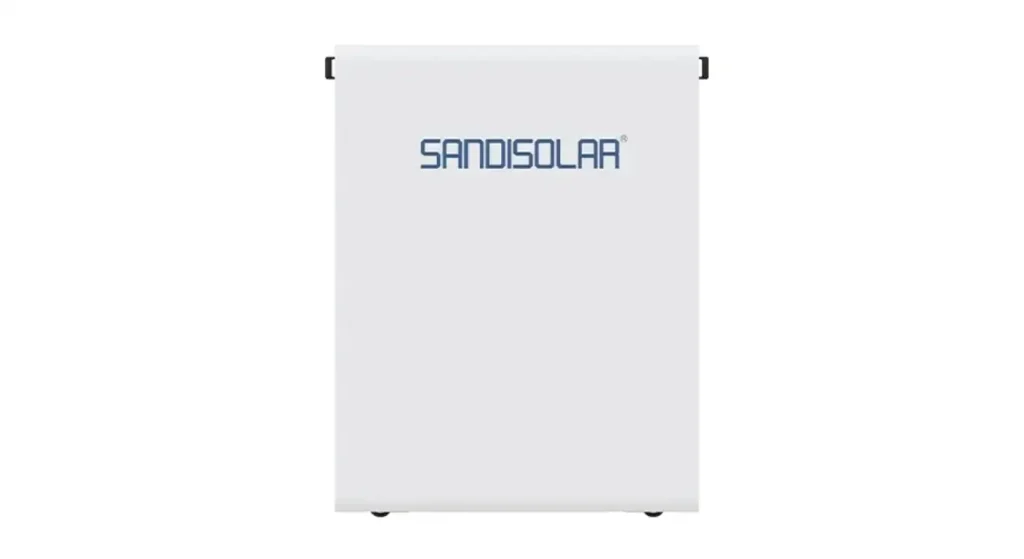
To comprehend the capacity of a 51.2V 300Ah Battery.
The energy of the battery can be determined to be:
Energy (kWh) = Voltage × Capacity (Ah) ÷ 1000
For SD 51.2V 300Ah:
51.2V × 300Ah = 15.36kWh
However, the amount of energy that can be used depends on the depth of discharge, the efficiency of the inverter and the settings of the system.
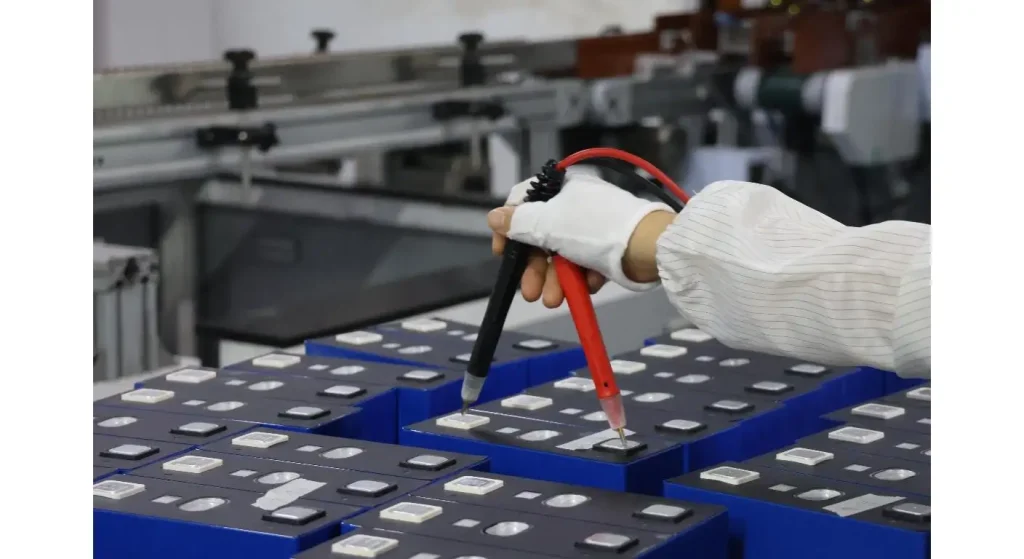
The available energy when the available depth of discharge is 80% is about:
15.36kWh × 80% = 12.29kWh
This energy level allows for powering critical home appliances including lights, refrigeration, communication devices and a few appliances at night or when the grid goes down.
| Load Type | Average Power | Estimated Runtime with 12.29kWh Usable Energy |
| LED Lighting | 100W | About 120 hours |
| Refrigerator | 150W | About 80 hours |
| Router + Electronics | 60W | About 200 hours |
| Home Office Equipment | 300W | About 40 hours |
| Multiple Essential Loads | 1000W | About 12 hours |
Ensure a Solar Inverter is compatible with the Battery.
When choosing the battery it is important to consider it in conjunction with the inverter and not as a standalone item.
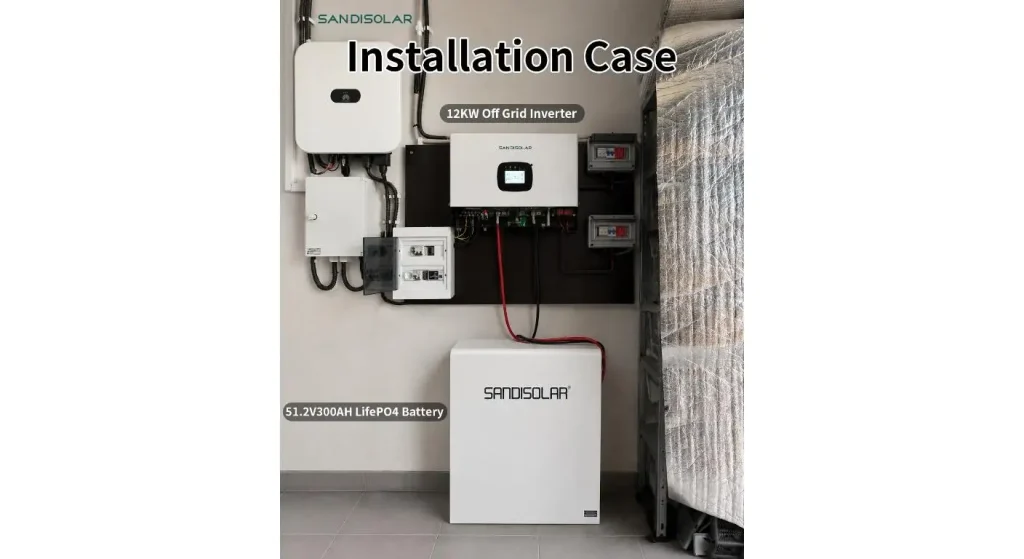
A 51.2V lithium battery is typically used with a hybrid or off-grid inverter that is in the 48V class. Before installation, confirm:
- Battery voltage range
- Maximum charging current
- Maximum discharge current
- Communication protocol
- Supported battery models
The output of the inverter sets the amount of power that can be produced and the battery provides the duration of power generation.
Users can also take advantage of SANDISOLAR's Residential Energy Storage Solution for full integration of the system.
The reasons for LiFePO4 Chemistry being suitable for Residential Storage.
For home storage, the most popular type of battery is LiFePO4, which offers:
- High thermal stability
- Long cycle life
- Stable discharge performance
- Lower maintenance requirements
The technology of LiFePO4 delivers a deeper usable discharge, and offers greater energy density than traditional lead-acid batteries.
The SD 51.2V 300Ah battery features a smart BMS voltage protection system that monitors the voltage, current and temperature status of the battery, which helps to ensure the safe operation of the battery.
The SANDISOLAR LiFePO4 Battery Range can be explored for more battery options.
Run backup time evaluation based upon real loads.
What this 15.36kWh battery doesn't imply is that all home appliances will run the same length of time.
The amount of energy used is related to:
- Appliance power rating
- Operating hours
- Starting current
- Battery efficiency
- Inverter efficiency
For example:
Refrigerator can only use several hundred watts when in use, electric heating equipment may use several kilowatts.
A typical houseplan would split into two areas – a practical one and a residential one.
- Critical backup loads
- Daily self-consumption loads
- High-power optional loads
This is to ensure that the backups are more reliable without having to add needless battery expansion.
Test BMS Communication & Protection
A lithium battery's control center is its battery management system.
It monitors:
- Cell voltage balance
- Charging current
- Discharging current
- Temperature
- Protection status
In Solar Storage Applications Battery to inverter communication is important.
The inverter can use CAN or RS485 communication to get information from the battery and set charging or discharging behavior based on the information.
Setting communication parameters and cable configuration should be confirmed before the commissioning.
| Check Item | Confirmation Required |
| Battery Voltage | 51.2V system compatibility |
| Inverter Range | Supported charging/discharging voltage |
| Communication | CAN / RS485 protocol matching |
| Current Rating | Battery and inverter current compatibility |
| Protection | Fuse, breaker and grounding |
| Commissioning | Charge and discharge test |
Plan Solar charging capacity
The bigger the battery, the more solar energy has to be generated to charge the battery.
The amount of electricity produced by the solar system and the duration of time required to fill a 15.36kWh battery will depend on:
- PV array size
- Weather conditions
- Household daytime consumption
- Charging power limitation
If the PV system is too small, the battery might not be fully charged and if too big, the PV system might be forced to operate above the inverter's charging capacity.
The battery, inverter and solar array should thus be designed as a single system.
Users can check out with the SANDISOLAR Off-grid Inverter Range suitable inverter solutions.
Things to take into account before installing home lithium batteries
Proper installation will have an impact on safety and performance.
Important considerations include:
- Installation site that is dry and airy
- Properly size DC cables
- Proper circuit protection
- Reliable grounding
- Accessible maintenance space
The battery should NOT be located close to sources of water, direct sunlight or uncontrolled heat sources.
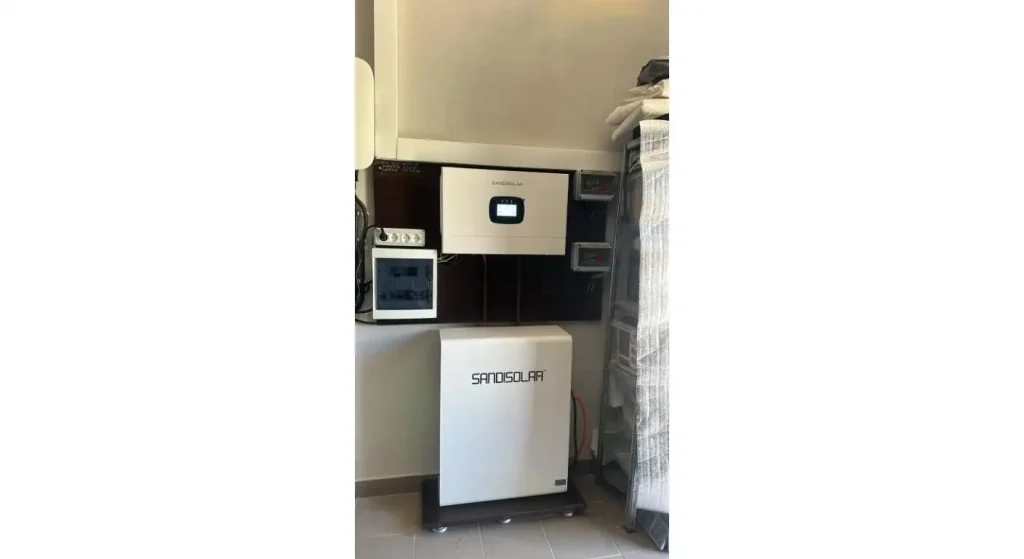
Professional installation also enables to verify charging settings and communications prior to daily use.
Monitoring and long term operation are essential.
Residential storage system should be visible following installation.
Monitoring assists users in monitoring:
- The percentage of charged battery is known as the state of charge.
- The condition of the charge in the battery.
- System alarms
- Operating temperature
A system can detect abnormal conditions before they cause a loss in system availability with regular monitoring.
The SANDISOLAR Download Center is the home of technical documents and manuals.
Can SD 51.2V 300Ah Power your home?
The SD 51.2V 300Ah LiFePO4 battery is perfect for households with the following needs:
- More extended storing of energy overnight.
- Solar self-consumption improvement
- Provides back-up power in the event of a power outage.
- Interconnection to hybrid inverter systems.
But, the appropriate size of the battery needs to be based on the demand for energy, backup energy needs and the capacity of the solar power generation.
A good storage is one that optimises the storage space and matches the energy required on a daily basis with the power generated.
Conclusion
When choosing a Residential Lithium battery, it is not only a matter of simply looking at the kWh.
With a nominal storage capacity of 15.36kWh, the SD 51.2V 300Ah LiFePO4 battery offers intelligent battery management and compatibility with professionally-designed solar storage systems.
This ensures that the homeowner has enough battery capacity to meet the inverter's requirement and household energy consumption for more reliable and efficient solar energy storage.
FAQs
Q1. What is the energy stored in a 51.2V 300Ah battery?
Has a nominal energy storage of about 15.36kWh. The quantity of useable energy ultimately is dependent upon the discharge and is subject to the efficiency of the system.
Q2. Is this battery suitable for hybrid inverter?
Yes, if there is a range of acceptable voltage, current and communication protocol.
Q3. This battery can provide power to a home for how many hours?
Runtime is dependent upon loads that are connected. For household circuits, there are circuits that are essential and can last longer than the high power circuits.
Q4. Why to use LiFePO4 over lead-acid?
LiFePO4 has a greater discharge depth, extended discharge life and more stable performance.
Q5. Requires battery professional installation?
Yes. For safe operation, it is important that the cable is properly sized, that protection and communication configurations are performed.


Contact Us
In This Article
Related Posts
C&I PV System Design: How to Plan Commercial Rooftop and Ground-Mounted Solar
October 30, 2026
What Is C&I Solar? A Guide to Commercial and Industrial Solar Systems and Examples
October 29, 2026
How to Become a SANDISOLAR Solar Distributor in Poland and Develop Your Storage Business
October 28, 2026