
How LiFePO4 Battery for Residential Energy Storage Integrates Solar?
By hqt
2026.01.27Related Posts
48V 6kW Off Grid Inverter: Why 48V Battery Systems Are Common for Higher-Power Solar Systems
August 31, 2026

Residential Solar System Installation: Technical Sizing, System Matching and Installation Guide
August 31, 2026

48 Volt Inverter for Solar Battery Storage: Key Specifications Buyers Should Compare
August 27, 2026
LiFePO4 Battery for Residential Energy Storage is the missing link between your solar panels and 24/7, reliable home power.

Why Choose a LiFePO4 Battery for Residential Energy Storage
Homeowners choose LiFePO4 for one simple reason:
• It delivers safe, stable, long-life storage that fits daily living.
• LiFePO4 chemistry resists thermal runaway and is widely rated for 4,000+ cycles at high depth of discharge, so you can charge and discharge every day for many years.
• Round-trip efficiency often reaches about 95%, which means more of your solar energy actually powers your home.
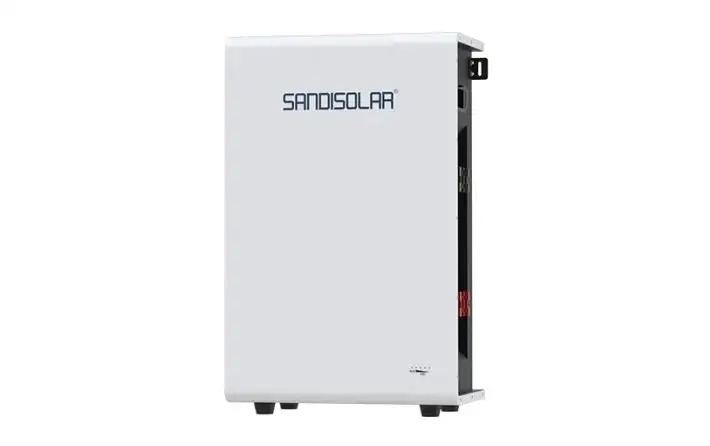
SANDISOLAR's high-capacity unit pairs a 25.6V nominal voltage with a 300Ah capacity, giving roughly 7.68 kWh of usable energy in a compact format. The smart BMS safeguards against overcharge, over-discharge, and short circuits while coordinating charge and discharge currents up to 60A.
A wide operating temperature range supports performance in heat and cold, so weekend heatwaves or winter cold snaps do not catch you off-guard. For you, that translates into fewer worries, fewer service calls, and more solar value captured day after day.
How Solar Integration Works, Step By Step
Think of the system as a two-way street for clean power. Your solar photovoltaic array creates DC electricity. The inverter converts it to AC for your home. When generation exceeds your immediate use, the LiFePO4 Battery for Residential Energy Storage absorbs the surplus. After sunset, on cloudy days, or during peak utility rates, the battery discharges to your home circuits. If the grid fails, the system can isolate and keep essential loads running.
✓ Daytime: PV powers the home first; extra energy charges the battery.
✓ Late afternoon and night: the battery supplies stored energy to avoid peak rates.
✓ Outage: the inverter islands the home and the battery backs up critical loads.
✓ Recovery: when the grid returns, charging resumes under BMS-controlled limits.
This flow is automated. You set priorities, such as maximizing self-consumption, cutting peak demand, or preserving a reserve for backup. The system then follows those rules without daily intervention.
DC-Coupled Versus AC-Coupled: Which Fits Your Home
There are two mainstream integration paths, and both work well with a LiFePO4 Battery for Residential Energy Storage.
DC-coupled uses a hybrid inverter that connects directly to the PV strings on the DC side. The inverter manages MPPT for the panels and charges the battery before converting to AC. This path reduces conversion steps and can improve efficiency, which is attractive for new builds or full system upgrades.
AC-coupled adds the battery on the AC side, typically alongside an existing solar inverter. The battery uses its own inverter/charger to synchronize with the home and grid. This route is flexible and often the easiest retrofit for homes that already have solar.
✓ DC-coupled: fewer conversions, strong for new systems seeking maximum efficiency.
✓ AC-coupled: simple retrofit, keeps your current PV inverter in place.
✓ Either way: you gain time-of-use control, backup capability, and improved self-consumption.
Smart Protection, Stable Power: BMS and Inverter Coordination
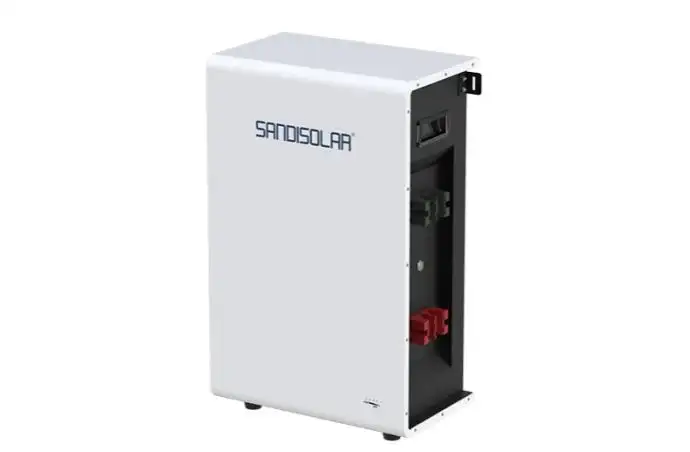
Integration is only as good as control. A smart BMS inside the LiFePO4 pack communicates with the inverter (commonly via CAN or RS485) to share state of charge, temperature, and current limits.
When solar is abundant, the BMS permits charging up to configured limits, aligning with a 28.8V charge profile on a 25.6V nominal pack. At high demand, it sets safe discharge caps and can deliver a steady current up to 60A, safeguarding cell health and ensuring voltage stability.
If temperatures are beyond their ideal window, the BMS adjusts current limits or pauses activity to protect the cells. During outages, the inverter transitions to backup mode in milliseconds and serves a critical-loads panel - keeping lights, refrigeration, Wi-Fi, and essential outlets online - while the BMS manages remaining capacity to maximize runtime.
What You Gain in Practice: Savings, Resilience, And Data
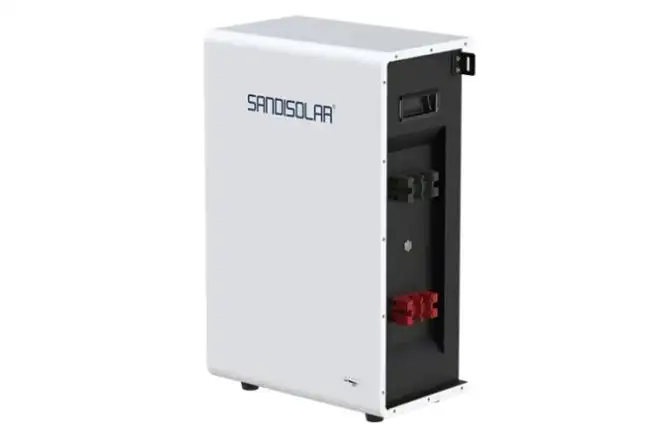
A single 7.68 kWh LiFePO4 Battery for Residential Energy Storage can cover a typical evening load profile for many households, especially when paired with efficient appliances.
In practical terms, that is hours of lights, refrigeration, device charging, and network equipment, plus selective HVAC fan use. In time-of-use markets, charging from solar and discharging during peak windows can trim bills without changing your habits.
Where net metering credits are limited, self-consumption rises and payback improves. High round-trip efficiency and low standby losses ensure the energy you collect works for you. Built-in data helps you see charge levels, daily cycles, solar yield, and how backup power performs during grid events.
✓ Improve self-consumption by storing midday solar for evening use.
✓ Cut peak charges by shifting energy from off-peak to on-peak windows.
✓ Gain quiet, instant backup without fuel or exhaust.
✓ Extend equipment life through BMS-managed charge/discharge profiles.
✓ Make informed decisions with transparent system monitoring.
Practical Sizing and Design Tips for a Smooth Install
1)Start with your goals. If resilience is the priority, list the essential circuits and their wattage, then size storage to support several hours of runtime. If bill savings and self-consumption come first, match storage to your evening and early-morning loads.
2)For many homes, pairing a rooftop array with one or more 7.68 kWh modules balances cost and impact. The 25.6V architecture lowers current compared with 12V systems, reducing line losses and simplifying conductor selection.
3)Keep runs short, use proper gauge cabling, and follow the manufacturer's guidelines for overcurrent protection and isolation. Place the battery in a dry, ventilated area away from direct sunlight. Coordinate with your installer on a critical-loads subpanel and transfer device so the system can island safely during outages.
4)Finally, set your inverter's charge windows and reserve levels to reflect your utility's tariff and your comfort with backup margins.
Call to Action: Build Your Smarter, Low-Carbon Home
Ready to turn your rooftop into round-the-clock energy? SANDISOLAR's residential LiFePO4 Battery for Residential Energy Storage integrates seamlessly with solar, streamlines configuration, and delivers dependable power in heat or cold. Speak with our energy team for a free sizing consultation, a site-readiness checklist, and a personalized savings and backup estimate. Take control of your bills, keep your home running when the grid stumbles, and accelerate your path to a smarter, low-carbon home - starting today.


Contact Us
In This Article
Related Posts
48V 6kW Off Grid Inverter: Why 48V Battery Systems Are Common for Higher-Power Solar Systems
August 31, 2026
Residential Solar System Installation: Technical Sizing, System Matching and Installation Guide
August 31, 2026
48 Volt Inverter for Solar Battery Storage: Key Specifications Buyers Should Compare
August 27, 2026