
LiFePO4 24V Battery: 2026 Pick 300Ah Power That Fits
By hqt
2026.02.17Related Posts
48V 6kW Off Grid Inverter: Why 48V Battery Systems Are Common for Higher-Power Solar Systems
August 31, 2026

Residential Solar System Installation: Technical Sizing, System Matching and Installation Guide
August 31, 2026

48 Volt Inverter for Solar Battery Storage: Key Specifications Buyers Should Compare
August 27, 2026
Lifepo4 Battery technology is becoming the natural choice for homes and businesses that want reliable power in 2026. As a manufacturer, SANDISOLAR sees more users moving away from small lead-acid banks and undersized packs, and looking instead for one compact, high-capacity battery that simply works in real life. Our SD-25.6V300AH high-capacity LiFePO4 unit is designed for exactly this need. In this guide, we will walk you through what a Lifepo4 24v Battery is, why 300Ah matters, and how a single battery can support solar homes, RVs, and commercial backup systems in a clean and practical way.
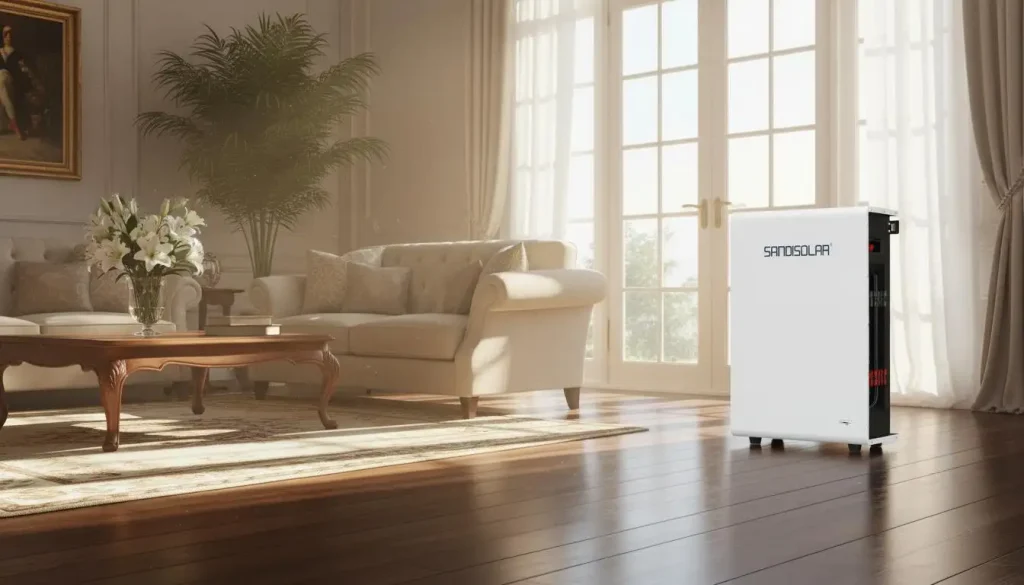
Why a Lifepo4 24v Battery 300Ah Fits Modern High-Load Needs
A 24V-class battery (often labeled 25.6V nominal for LiFePO4 chemistry) is a sweet spot for many mid-size systems. It can reduce current compared with 12V setups, which helps cables run cooler and lowers energy lost as heat. In plain words: you move the same power with less stress on wiring.
A Lifepo4 24v Battery around 300Ah is also large enough to serve as a standalone energy block. That matters because fewer parallel batteries usually means fewer connection points, less balancing complexity, and a cleaner installation. For many users, that translates to fewer troubleshooting moments later.
What "25.6V 300Ah" Really Means for Your System
Let’s decode two numbers you will see often:
• 25.6V: This is the typical nominal voltage for a "24V" LiFePO4 battery. It matches common 24V inverters and charge controllers designed for lithium profiles.
• 300Ah: Amp-hours are a capacity measure. Higher Ah generally means longer runtime at a given load.
For beginners, the key takeaway is not to chase numbers blindly. Instead, match the battery to your daily load and how you plan to charge it (solar, grid, generator, or a mix). A properly sized Lifepo4 24v Battery can run stable for years, while an undersized system can feel like a constant compromise.
As a reference point, SANDISOLAR SD-25.6V300AH is designed for high-energy consumption scenarios where users want a single, high-capacity unit to simplify system design.
Smart BMS Protection: The Safety "Brain" You Should Not Skip
Many battery problems are not caused by "bad cells," but by poor protection and uncontrolled operating conditions. That is why a smart BMS (Battery Management System) is essential in any modern Lifepo4 24v Battery.
In SANDISOLAR’s design approach, the BMS is not an extra feature—it is a practical safeguard for everyday use. It helps protect against common risk events such as:
✓ Overcharge (protects battery life and reduces overheating risk)
✓ Over-discharge (helps prevent deep depletion that can shorten service life)
✓ Short circuits (adds a critical layer of protection for the system and the user)
For customers, these protections turn into something very practical: fewer surprise shutdowns, better long-term stability, and a battery system you can trust when it matters.
Compact Design and Lower Line Loss: How Installation Gets Easier
A battery can be powerful but still frustrating if it is hard to integrate. Many installers and end-users want an energy storage unit that fits into a tidy mechanical and electrical layout.
A high-capacity Lifepo4 24v Battery that works well as a standalone unit can streamline configuration in two ways:
First, it can reduce the need for multiple parallel packs. That means fewer interconnects, fewer torque checks, and fewer points where resistance can build up over time.
Second, a 24V-class design can reduce line losses versus lower-voltage setups because the current can be lower for the same power level. The result is simple: cables and connectors tend to run with less heat under comparable loads, supporting more stable system performance.
SANDISOLAR also focuses on compact structural design, because compact integration typically saves space in battery rooms, utility areas, RV compartments, and small commercial installations.
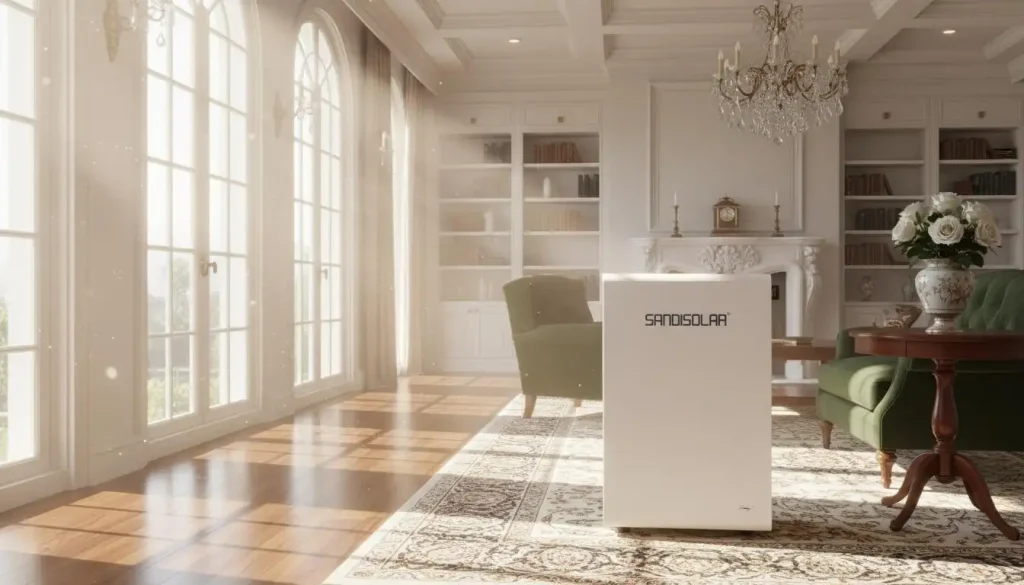
Residential Solar Storage: Use More of Your Solar, Pay Less for Power
For residential users, a Lifepo4 24v Battery is not only about "backup." It is a tool for daily energy management.
When paired with a solar PV system, residential storage can capture surplus solar electricity generated during the day and make it available later—at night, during cloudy periods, or during peak electricity rate hours. In many regions, that shift can reduce how much expensive grid electricity a household needs to buy.
Here is the beginner logic that helps most homeowners:
• Daytime: solar powers the home first, surplus charges the battery
• Evening: battery supplies household loads when the sun is down
• Outage: battery supports essential circuits to keep daily life stable
SANDISOLAR residential battery storage is designed to support this "self-sufficiency first" flow. For a new user, the biggest win is confidence: you are less dependent on grid timing, and you gain a more predictable home energy routine.
2026 Buying Checklist and a Clear Next Step
Before you buy a Lifepo4 24V battery, use this practical checklist to steer clear of typical beginner errors:
✓ Ensure your inverter can run lithium profiles for a 24V (25.6V nominal) pack
✓ Assess daily kWh and decide whether 300Ah satisfies your runtime requirements
✓ Opt for a smart BMS with protections across charge, discharge, and short-circuit events
✓ Prepare the install plan: mounting location, ventilation strategy, and cable routing
✓ Choose a battery rated for your operating environment, especially with temperature swings
If you’re aiming for a cleaner, component-light design, a high-capacity choice like the SANDISOLAR SD-25.6V300AH is worth considering. It’s tailored for higher loads and is suitable for solar storage, RV systems, and commercial backup use.
CTA: Planning a 24V solar or backup deployment in 2026? Reach out to SANDISOLAR with your load list (major appliances and estimated use hours). We’ll help you lock in a clear battery–inverter pairing, advise on a practical configuration, and minimize sizing errors before you commit.


Contact Us
In This Article
Related Posts
48V 6kW Off Grid Inverter: Why 48V Battery Systems Are Common for Higher-Power Solar Systems
August 31, 2026
Residential Solar System Installation: Technical Sizing, System Matching and Installation Guide
August 31, 2026
48 Volt Inverter for Solar Battery Storage: Key Specifications Buyers Should Compare
August 27, 2026